Exercise Physiology for Improving Strength After Injury
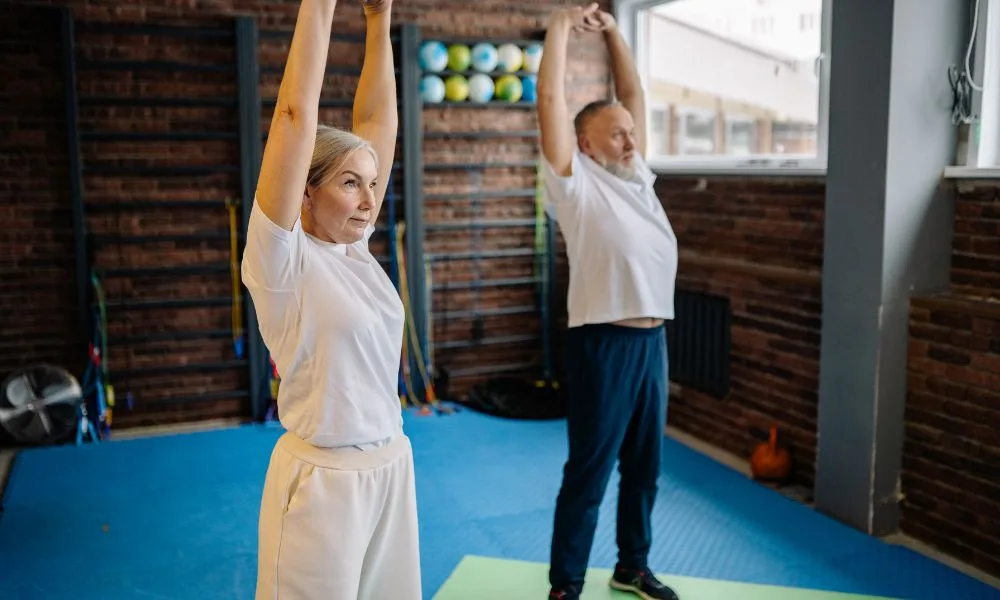
Recovering from an injury often takes more than just rest. While pain may settle over time, weakness, stiffness, and reduced mobility can remain if the body is not properly rehabilitated. Exercise physiology for injury recovery focuses on rebuilding strength, restoring movement, and helping people safely return to everyday activities through structured rehabilitation programs.
Exercise physiology focuses on restoring strength, stability, and function through targeted exercise programs. Addressing the root cause of weakness or imbalance helps people rebuild confidence in their movement and safely return to everyday activities.
Summary: Exercise physiology helps individuals rebuild strength and movement after injury through structured, personalised exercise programs. These programs focus on improving muscle strength, joint stability, mobility, and overall function, helping people recover safely while reducing the risk of re-injury.
What Is Exercise Physiology?
Exercise physiology is a specialised health service that uses evidence-based exercise programs to support recovery, improve physical function, and manage injuries or chronic conditions.
An exercise physiologist assesses how the body moves and identifies areas of weakness, imbalance, or limited mobility. Based on this assessment, they create a structured program designed to gradually rebuild strength and improve movement patterns.
Unlike general fitness training, the focus is on safe, therapeutic exercise tailored to the individual’s injury and recovery goals.
Why Strength Recovery Is Important After Injury
After an injury, muscles around the affected area often become weaker due to reduced activity or protective movement patterns. Without proper rehabilitation, this weakness can lead to ongoing discomfort or increase the risk of further injury.
Strength-focused rehabilitation helps:
- Restore muscle function
- Improve joint stability
- Reduce the likelihood of recurring injuries
- Improve balance and coordination
- Support a safe return to normal activities
Rebuilding strength gradually allows the body to adapt safely and regain confidence in movement.
How Exercise Physiology Supports Injury Recovery
Exercise physiology for injury recovery uses structured and progressive exercise programs designed to rebuild strength, improve mobility, and restore confidence in movement. Rather than using generic workouts, these programs are tailored to each individual’s injury, physical condition, and recovery goals.
Programs often focus on:
Progressive strength training Exercises gradually increase in difficulty to rebuild muscle strength and endurance.
Mobility and flexibility work Improving joint mobility helps restore natural movement patterns.
Stability and control Targeted exercises strengthen stabilising muscles around joints to improve overall support.
Functional movement training Exercises mimic real-life activities to help people return to work, sport, or daily tasks.
Common Injuries That Benefit From Exercise Physiology
Exercise physiology can support recovery from a wide range of injuries, particularly those involving muscles, joints, or connective tissues.
Common examples include:
- Back and neck injuries
- Knee injuries
- Shoulder problems
- Sports injuries
- Post-surgical rehabilitation
- Tendon and ligament injuries
A structured program ensures the body rebuilds strength without placing excessive strain on the healing tissues.
What To Expect During Your First Session
Your first session typically begins with a comprehensive assessment. This helps the practitioner understand your injury history, current symptoms, and movement limitations.
During the appointment, they may:
- Assess mobility and joint movement
- Evaluate muscle strength and stability
- Observe posture and movement patterns
- Discuss recovery goals and lifestyle factors
Based on this information, a personalised exercise plan is developed to guide your recovery.
The Benefits of Guided Rehabilitation
Following a structured program under professional guidance provides several benefits compared to exercising independently.
These include:
- Safer progression through recovery stages
- Exercises tailored to your injury and ability level
- Ongoing monitoring and adjustments
- Improved confidence during movement
- Reduced risk of re-injury
A structured approach to exercise physiology for injury recovery helps ensure the body regains strength safely and effectively. With the right guidance, patients can recover more confidently, improve their movement patterns, and reduce the risk of future injuries.
Key Takeaways
- Injuries often lead to muscle weakness and reduced stability
- Exercise physiology uses structured programs to rebuild strength safely
- Personalised rehabilitation supports better movement and recovery
- Strength training, mobility work, and functional exercises play key roles
- Professional guidance reduces the risk of further injury
Ready to Rebuild Strength After Injury?
At Gladesville Healthcare, our mission is simple: deliver exceptional results and friendly service at an affordable price, so you can feel and function at your best.
We provide access to a full range of services under one roof, including physiotherapy, chiropractic, podiatry, occupational therapy, and exercise physiology.
If you are recovering from an injury and want a structured plan to rebuild strength safely, book an appointment today and take the next step toward a stronger recovery.
Meet Michael Wontor – Gladesville Physiotherapist
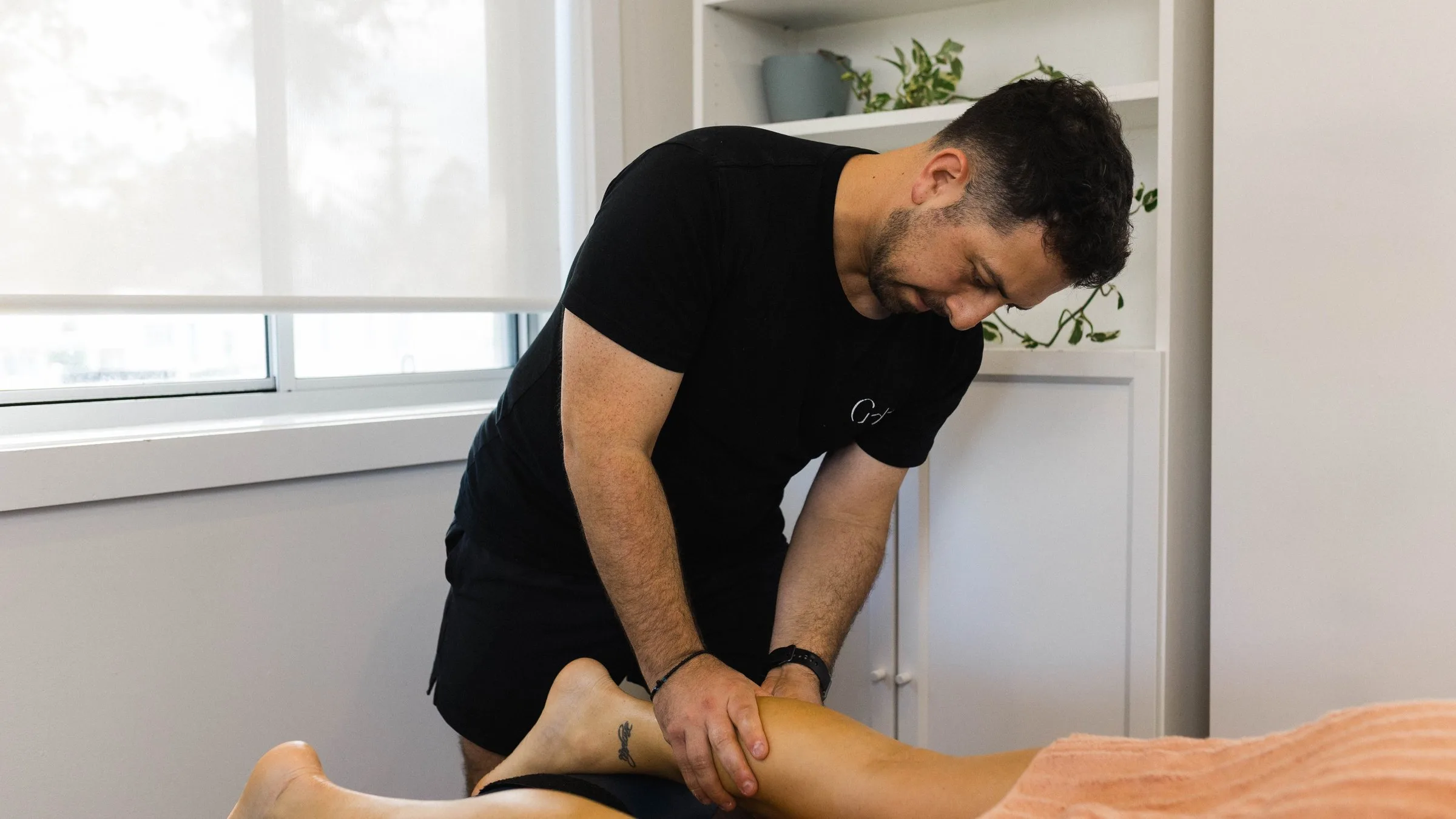
Michael works with people of all ages, from weekend joggers to retirees, helping them manage pain, restore movement, and rebuild strength. His approach combines hands-on physiotherapy techniques with personalised exercise programs, giving clients both short-term relief and long-term results. Read more about Michael.
A Success Story: From Back Pain to Back on the Golf Course
One of Michael’s recent patients was a 65-year-old golfer living with constant lower back pain.
- The pain was nagging throughout the day.
- Everyday tasks around the house felt restricted.
- Most importantly, it stopped him from enjoying golf – his passion!
Session 1: Michael began with hands-on therapy: soft tissue work and gentle joint mobilisation. This helped free up the back, ease pain, and restore mobility.
Session 2: The patient returned already feeling a noticeable improvement. Daily activities were easier, and pain levels had dropped. But the goal wasn’t just less pain. It was getting back on the golf course.
The Turning Point: Michael transitioned treatment into the clinic gym, designing a strengthening program tailored to golf movements. The focus was on building stability, hip mobility, and strength to support his back during swings. The Result: Within just a few weeks, the patient was back playing golf, confident, pain-free, and doing what he loved most.
View this post on InstagramA post shared by Gladesville Healthcare (@gladesvillehealthcare)
Why Physio for Back Pain Works
Physio treatment for back pain is more than just short-term relief. With the right approach, you can:
- Reduce pain and stiffness
- Improve mobility and posture
- Build long-term strength and resilience
- Get back to sport, work, and everyday life
Whether you’re recovering from an injury, living with chronic pain, or simply want to stay active as you age, physiotherapy can help you move better and feel stronger.
Book Your Physio For Back Appointment Today
At Gladesville Healthcare, Michael provides personalised physiotherapy for back pain that’s tailored to your goals. Whether you want to get back to sport, keep up with family life, or simply move more freely, we’ll create a plan that works for you.
Book your physiotherapy session online today.