Lower Back Pain Relief: Physiotherapy & Stretches That Work
Lower back pain can make simple tasks feel harder than they should. Sitting at your desk, picking up the kids, getting in and out of the car, and even sleeping comfortably can become a challenge. For some, it is a dull ache that lingers. For others, it is sharp, tight, and limiting.
The good news is that most lower back pain responds well to the right treatment and movement. With targeted physiotherapy and the right stretches, you can reduce pain, restore mobility, and get back to doing what you enjoy.
Summary: Lower back pain relief often requires a combination of physiotherapy and targeted stretches. While short-term rest may help, long-term improvement comes from improving strength, mobility, and movement patterns. A personalised physiotherapy plan can reduce pain, prevent recurrence, and help you return to daily activities safely.
Why does lower back pain happens
The lower back supports much of your body weight and absorbs force with almost every movement. Pain can develop from:
- Prolonged sitting or poor posture
- Muscle strain from lifting
- Sudden increases in activity
- Weak core and hip muscles
- Previous injuries
- Stress and tension
In many cases, the issue is not one single movement but a build-up of load over time.
How physiotherapy helps with lower back pain relief
Physiotherapy is not just about relieving symptoms. It focuses on identifying the underlying cause of your pain.
During an assessment, your physiotherapist will:
- Ask about your symptoms and daily activities
- Assess posture and movement patterns
- Check strength and mobility
- Identify areas of stiffness or weakness
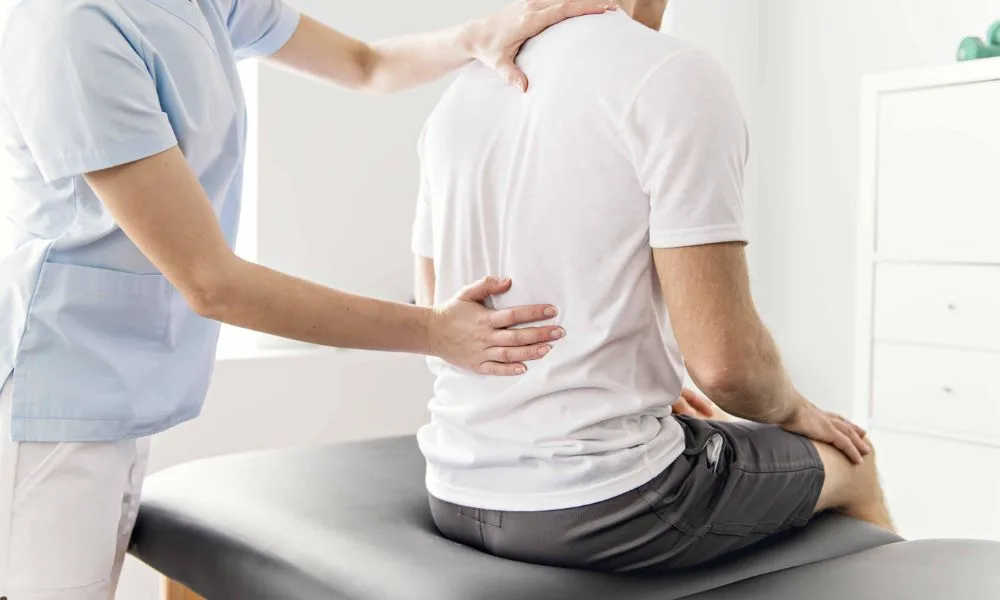
From there, a tailored treatment plan may include:
- Hands-on therapy to reduce stiffness
- Targeted strengthening exercises
- Mobility work
- Postural education
- Advice on safe lifting and activity modification
This approach addresses both pain relief and long-term prevention.
Stretches that can help lower back pain
Stretching can reduce muscle tension and improve mobility, especially when paired with strengthening work. Here are a few commonly recommended options.
1. Child’s Pose
A gentle stretch for the lower back and hips.
How to do it:
- Kneel on the floor and sit back on your heels
- Reach your arms forward
- Lower your chest towards the floor
- Breathe deeply for 20 to 30 seconds
This can help relieve tightness after long periods of sitting.
2. Knee-to-Chest Stretch
This stretch targets the lower back and glutes.
How to do it:
- Lie on your back
- Bring one knee towards your chest
- Hold for 20 to 30 seconds
- Switch sides
Move gently and avoid forcing the stretch.
3. Seated Spinal Rotation
A controlled rotation can improve spinal mobility.
How to do it:
- Sit upright in a chair
- Gently rotate your upper body to one side
- Hold briefly
- Repeat on the other side
Keep the movement slow and controlled.
4. Hip Flexor Stretch
Tight hip flexors often contribute to lower back strain.
How to do it:
- Step one foot forward into a lunge position
- Keep your torso upright
- Gently shift your weight forward
- Hold for 20 to 30 seconds
You should feel the stretch at the front of the hip.
Why stretching alone is not enough
While stretching can ease tension, it does not fix underlying weakness or movement dysfunction.
Long-term lower back pain relief often requires:
- Strengthening the core and glutes
- Improving load tolerance
- Correcting movement patterns
- Gradually increasing activity levels
Without this, pain may keep returning.
When to seek professional help
Consider booking a physiotherapy appointment if:
- Pain lasts more than one to two weeks
- It keeps coming back
- You experience pain in the leg
- It affects work, sleep, or exercise
- You feel unsure about which exercises are safe
Early treatment often shortens recovery time and reduces the risk of chronic pain.
Seek urgent medical attention if you experience loss of bladder or bowel control, significant leg weakness, or severe pain after trauma.
Key takeaways
- Lower back pain is common and often responds well to physiotherapy
- Stretches can reduce tension, but should be combined with strengthening
- Identifying the root cause is key to lasting relief
- Early intervention prevents ongoing or recurring pain
Meet Michael Wontor – Gladesville Physiotherapist
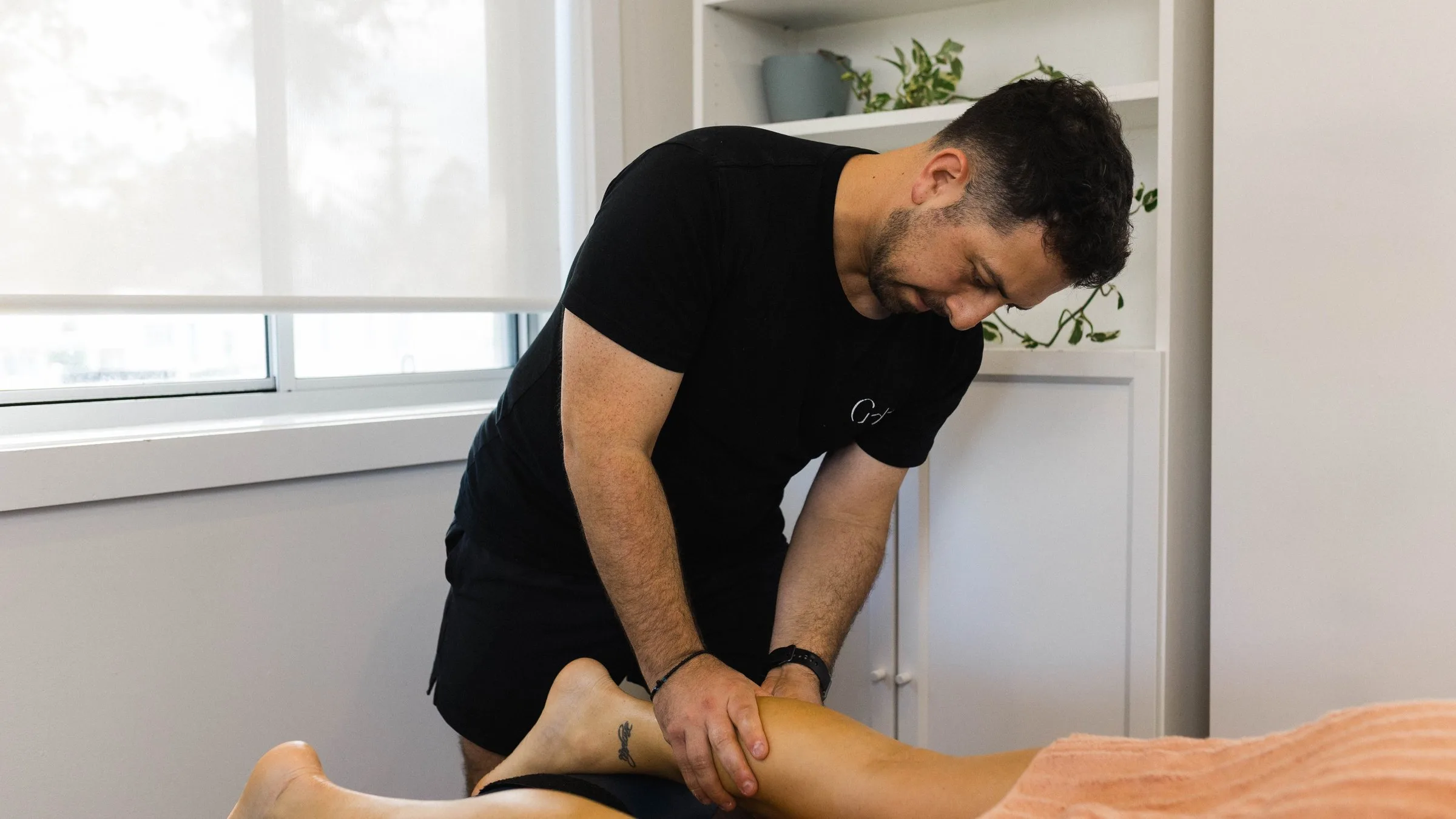
Michael works with people of all ages, from weekend joggers to retirees, helping them manage pain, restore movement, and rebuild strength. His approach combines hands-on physiotherapy techniques with personalised exercise programs, giving clients both short-term relief and long-term results. Read more about Michael.
A Success Story: From Back Pain to Back on the Golf Course
One of Michael’s recent patients was a 65-year-old golfer living with constant lower back pain.
- The pain was nagging throughout the day.
- Everyday tasks around the house felt restricted.
- Most importantly, it stopped him from enjoying golf – his passion!
Session 1: Michael began with hands-on therapy: soft tissue work and gentle joint mobilisation. This helped free up the back, ease pain, and restore mobility.
Session 2: The patient returned already feeling a noticeable improvement. Daily activities were easier, and pain levels had dropped. But the goal wasn’t just less pain. It was getting back on the golf course.
The Turning Point: Michael transitioned treatment into the clinic gym, designing a strengthening program tailored to golf movements. The focus was on building stability, hip mobility, and strength to support his back during swings. The Result: Within just a few weeks, the patient was back playing golf, confident, pain-free, and doing what he loved most.
View this post on InstagramA post shared by Gladesville Healthcare (@gladesvillehealthcare)
Why Physio for Back Pain Works
Physio treatment for back pain is more than just short-term relief. With the right approach, you can:
- Reduce pain and stiffness
- Improve mobility and posture
- Build long-term strength and resilience
- Get back to sport, work, and everyday life
Whether you’re recovering from an injury, living with chronic pain, or simply want to stay active as you age, physiotherapy can help you move better and feel stronger.
Book Your Physio For Back Appointment Today
At Gladesville Healthcare, Michael provides personalised physiotherapy for back pain that’s tailored to your goals. Whether you want to get back to sport, keep up with family life, or simply move more freely, we’ll create a plan that works for you.
Book your physiotherapy session online today.