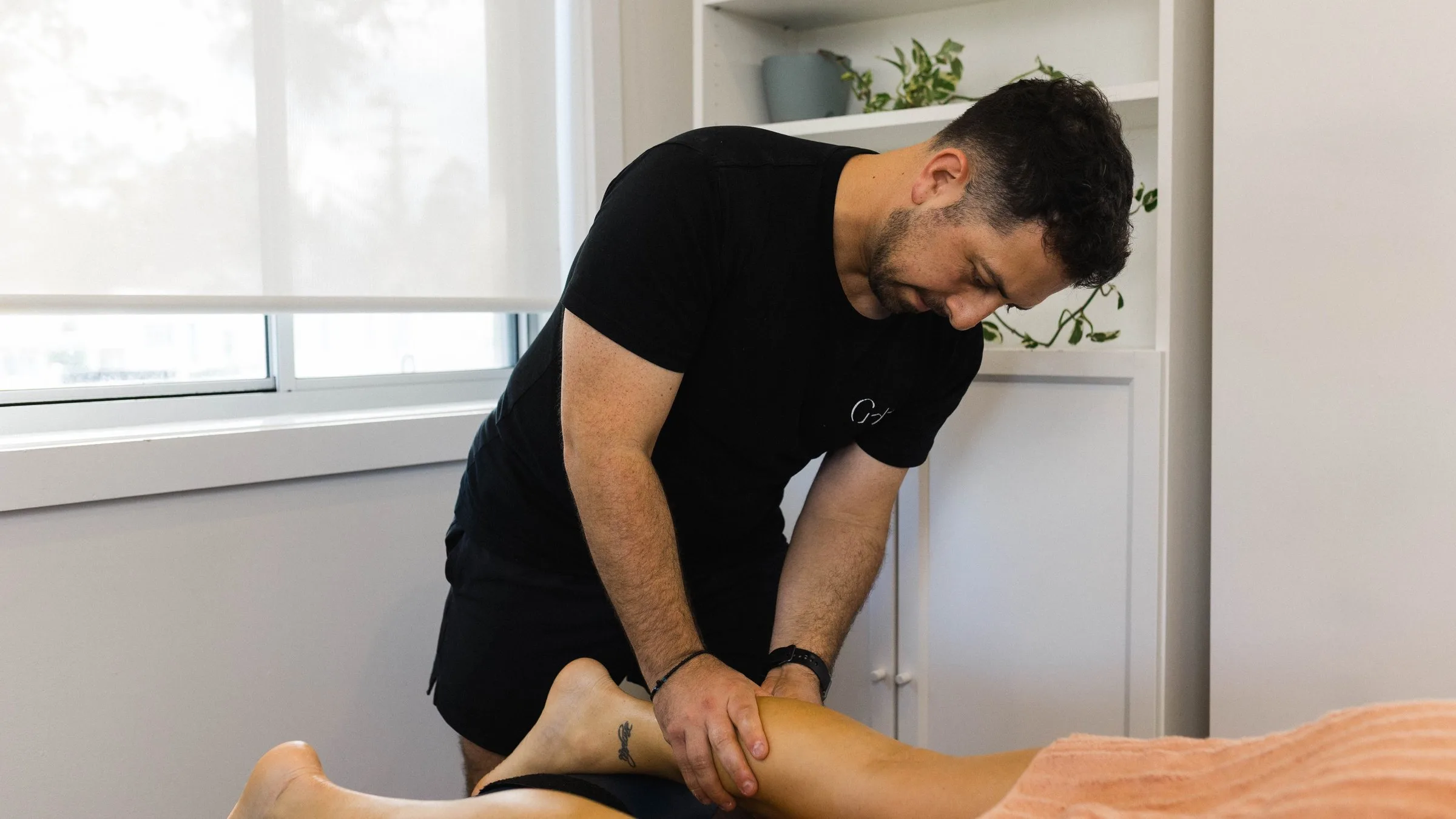
Top OT Tips for Regaining Independence After Injury

Recovering from an injury is not just about healing physically. It is about getting back to doing everyday tasks with confidence. Simple things like cooking, dressing, driving, or returning to work can feel challenging after an injury, especially if strength, coordination, or mobility has been affected.
Occupational therapy focuses on helping people regain independence in their daily lives. Through practical strategies and personalised support, it plays a key role in restoring function and confidence after injury.
Summary: Occupational therapy for injury recovery helps individuals regain independence by improving their ability to perform everyday tasks. Through tailored strategies, exercises, and environmental adjustments, it supports a safe and confident return to daily activities, work, and lifestyle routines.
What Is Occupational Therapy?
Occupational therapy is a healthcare service that focuses on helping people perform meaningful daily activities, often referred to as “occupations.” These can include self-care, work tasks, household responsibilities, and hobbies.
Occupational therapy for injury recovery looks at how your injury affects your ability to function day-to-day and provides practical solutions to help you adapt, recover, and rebuild independence.
Why Independence Matters After Injury
After an injury, it is common to rely on others for support. While this can be necessary in the early stages, regaining independence is important for both physical recovery and mental well-being.
Being able to complete everyday tasks helps:
- Build confidence
- Improve quality of life
- Reduce reliance on others
- Support a faster return to normal routines
This is where occupational therapy becomes especially valuable.
Top OT Tips for Regaining Independence
1. Start With Small, Achievable Tasks
Recovery does not happen all at once. Focus on small, manageable activities and gradually build from there.
This might include:
- Preparing simple meals
- Dressing independently
- Completing light household tasks
Small wins build momentum and confidence over time.
2. Modify Your Environment
Adjusting your surroundings can make daily tasks easier and safer.
Examples include:
- Rearranging frequently used items within easy reach
- Using non-slip mats in the bathroom
- Setting up a comfortable and supportive workspace
Occupational therapy for injury recovery often includes practical advice on how to optimise your environment to support independence.
3. Use Assistive Tools When Needed
Assistive devices can make a significant difference during recovery.
These may include:
- Grab rails
- Reachers or grabbers
- Adaptive kitchen tools
- Support braces
Using the right tools can reduce strain and help you complete tasks more safely.
4. Focus on Energy Management
Fatigue is common after injury. Learning how to manage your energy helps you stay consistent without overexerting yourself.
Tips include:
- Breaking tasks into smaller steps
- Taking regular breaks
- Prioritising important activities
- Planning your day to avoid unnecessary strain
5. Rebuild Strength and Coordination
While occupational therapy focuses on function, it often works alongside strength and movement improvements.
Activities may involve:
- Hand and grip strength exercises
- Coordination tasks
- Functional movement training
These exercises support your ability to perform everyday activities more effectively.
6. Practice Real-Life Activities
One of the most effective ways to regain independence is by practising the tasks you want to return to.
This could include:
- Cooking meals
- Returning to work-related tasks
- Driving or commuting
- Participating in hobbies
Occupational therapy for injury recovery uses real-life scenarios to build confidence and ensure skills transfer into everyday life.
7. Be Patient With Your Progress
Recovery takes time, and progress may not always be linear. It is important to stay consistent and focus on gradual improvement.
Working with a professional can help keep you on track and adjust your plan as needed.
When to Consider Occupational Therapy
You may benefit from occupational therapy if you:
- Struggle with daily tasks after an injury
- Feel limited in your independence
- Are you returning to work after time off
- Need support adapting your environment
- Want a structured plan to regain function
Early support can make a significant difference in your recovery journey.
Key Takeaways
- Occupational therapy focuses on restoring independence after injury
- Small, consistent steps lead to long-term progress
- Environmental changes and assistive tools can improve safety and ease
- Practising real-life tasks builds confidence and function
- Professional guidance supports a smoother recovery process
FAQ’s
What does an occupational therapist do after an injury? They help you regain the ability to perform everyday tasks through practical strategies, exercises, and environmental adjustments.
Is occupational therapy only for serious injuries? No. It can benefit anyone who is struggling with daily activities, regardless of the severity of the injury.
How long does occupational therapy take? The duration varies depending on the individual and the type of injury. Some people may need only a few sessions, while others require ongoing support.
Can occupational therapy be combined with other treatments? Yes. It often works alongside physiotherapy and other allied health services to provide a comprehensive recovery plan.
Take the Next Step Toward Independence
At Gladesville Healthcare, our mission is simple: deliver exceptional results and friendly service at an affordable price, so you can feel and function at your best.
We provide access to a full range of services under one roof, including physiotherapy, chiropractic, podiatry, occupational therapy, and exercise physiology.
If you are recovering from an injury and want to regain your independence with the right support, book an appointment today and let our team help you get back to living life on your terms.
Meet Michael Wontor – Gladesville Physiotherapist
Michael works with people of all ages, from weekend joggers to retirees, helping them manage pain, restore movement, and rebuild strength. His approach combines hands-on physiotherapy techniques with personalised exercise programs, giving clients both short-term relief and long-term results. Read more about Michael.
A Success Story: From Back Pain to Back on the Golf Course
One of Michael’s recent patients was a 65-year-old golfer living with constant lower back pain.
- The pain was nagging throughout the day.
- Everyday tasks around the house felt restricted.
- Most importantly, it stopped him from enjoying golf – his passion!
Session 1: Michael began with hands-on therapy: soft tissue work and gentle joint mobilisation. This helped free up the back, ease pain, and restore mobility.
Session 2: The patient returned already feeling a noticeable improvement. Daily activities were easier, and pain levels had dropped. But the goal wasn’t just less pain. It was getting back on the golf course.
The Turning Point: Michael transitioned treatment into the clinic gym, designing a strengthening program tailored to golf movements. The focus was on building stability, hip mobility, and strength to support his back during swings. The Result: Within just a few weeks, the patient was back playing golf, confident, pain-free, and doing what he loved most.
View this post on InstagramA post shared by Gladesville Healthcare (@gladesvillehealthcare)
Why Physio for Back Pain Works
Physio treatment for back pain is more than just short-term relief. With the right approach, you can:
- Reduce pain and stiffness
- Improve mobility and posture
- Build long-term strength and resilience
- Get back to sport, work, and everyday life
Whether you’re recovering from an injury, living with chronic pain, or simply want to stay active as you age, physiotherapy can help you move better and feel stronger.
Book Your Physio For Back Appointment Today
At Gladesville Healthcare, Michael provides personalised physiotherapy for back pain that’s tailored to your goals. Whether you want to get back to sport, keep up with family life, or simply move more freely, we’ll create a plan that works for you.
Book your physiotherapy session online today.