Headaches and Migraines: How Chiropractic Treatment Can Help

If you get headaches often enough that you’ve started keeping painkillers in your bag, your car, and your desk drawer, you’re not alone. Headaches and migraines are one of the most common reasons people end up putting up with ongoing discomfort instead of actually dealing with the cause.
The good news is that chiropractic care looks at what might be triggering the pain in the first place, not just the symptom sitting on top of it.
TLDR: Many headaches, especially tension headaches and cervicogenic headaches, are linked to tightness and restricted movement in the neck and upper back. Chiropractic treatment aims to identify these mechanical triggers and ease them through hands-on adjustment, soft tissue work, and posture guidance. It won’t fix every type of headache, but for the right presentation it can make a real difference.
Why Headaches and Migraines Happen So Often
Headaches aren’t just “one thing.” There are several different types, and each has its own set of triggers. Understanding which kind you’re dealing with matters, because it changes what kind of treatment is actually going to help. Tension Headaches
These are the most common type, often described as a tight band around the head. They’re frequently linked to muscle tension in the neck, shoulders, and jaw, especially after long hours at a desk or looking down at a phone.
Cervicogenic Headaches
This type starts in the neck. Stiff or restricted joints in the upper spine can refer pain up into the head, and it often feels worse with certain neck movements or after sitting still for too long. Migraines
Migraines are more complex and can involve nausea, light sensitivity, and visual disturbances. They have a stronger neurological component, but neck tension and poor posture can still act as triggers or make attacks more frequent.
How Chiropractic Treatment Approaches Headache Relief
Chiropractors are trained to assess how your spine, muscles, and posture might be contributing to your headaches. Rather than just treating the pain in isolation, the goal is to find what’s driving it.
Spinal and Neck Assessment
A thorough assessment looks at movement in the neck and upper back, checking for restricted joints or areas of tension that could be referring pain to the head.
Hands-On Adjustment
Gentle spinal adjustments aim to restore normal movement to stiff joints, particularly in the cervical spine, which can reduce the mechanical triggers behind cervicogenic and tension headaches.
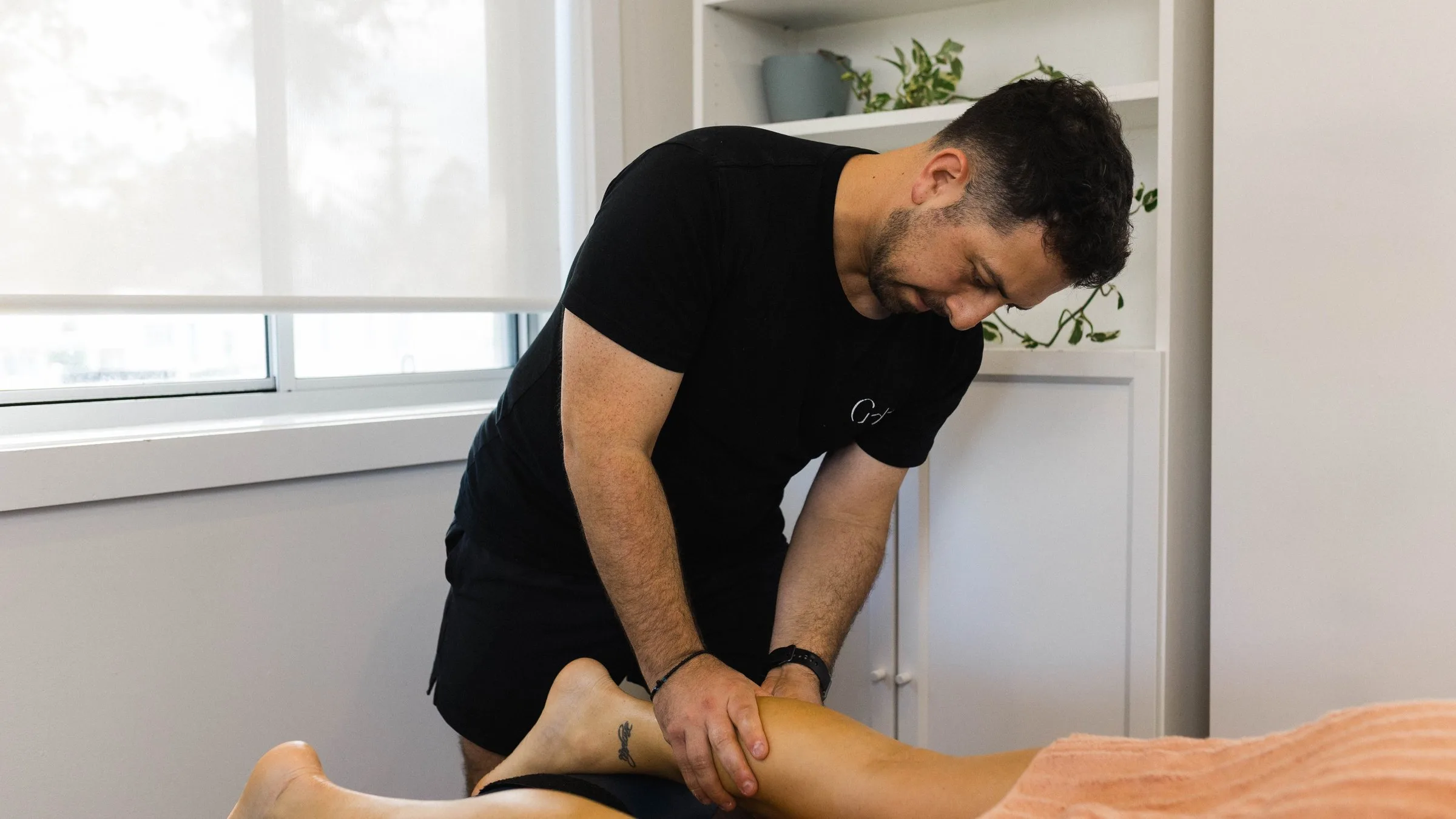
Soft Tissue and Muscle Work
Tight muscles around the neck, shoulders, and base of the skull are often part of the picture. Massage and myofascial techniques can help release that tension alongside adjustments.
- Reduced muscle tightness in the neck and shoulders
- Improved range of motion in the cervical spine
- Less frequent tension-type headaches over time
- Better awareness of posture triggers day to day
Lifestyle Factors That Make Headaches Worse
Treatment in the clinic is only part of the equation. What you do outside of appointments plays a big role in how often headaches show up.
Desk Setup and Screen Time
Hours spent hunched over a laptop or looking down at a phone puts sustained strain on the neck. Small changes, like raising your screen to eye level, can take pressure off over time.
Sleep Position and Pillow Choice
Sleeping in an awkward position or on a pillow that doesn’t support your neck properly can leave you waking up with stiffness that turns into a headache by midday.
Stress and Jaw Clenching
Stress often shows up physically as clenched jaw muscles and hunched shoulders, both of which can feed into tension headaches without you even realising it’s happening.
A chiropractor can talk you through practical adjustments to your daily habits, alongside hands-on treatment, so you’re not just relying on appointments to keep symptoms under control.
What to Expect From a Chiropractic Visit for Headaches
If you haven’t seen a chiropractor before, knowing what happens in a typical visit can take the guesswork out of booking one.
The Initial Consultation
Expect questions about your headache patterns, medical history, and lifestyle, followed by a physical assessment of your neck and spine movement.
Ongoing Care
Depending on what’s found, a treatment plan is put together that might include adjustments, soft tissue therapy, and specific stretches or exercises to do at home.
Chiropractic care isn’t a one-size-fits-all fix, and it works best as part of a broader approach that might include your GP, especially if migraines are frequent or severe. At Gladesville Healthcare, the aim is always to work out what’s realistic for your specific pattern of headaches, not push a blanket treatment plan on everyone who walks through the door.
Taking the Next Step With Your Headaches
If headaches or migraines have become a regular part of your week, it might be worth finding out whether your neck and posture are playing a part.
Gladesville Healthcare offers assessments to help work out what’s driving your symptoms and whether chiropractic care is a sensible next step for you. Book your appointment today!
Key Takeaways
- Not all headaches are the same, and identifying the type helps guide treatment
- Tension and cervicogenic headaches often respond well to chiropractic care
- Migraines are more complex but can still be influenced by neck tension
- Posture, screen habits, and sleep position all play a role in headache frequency
- A proper assessment is the starting point before any treatment plan is set
FAQ How do I know if my headaches are coming from my neck?
If your headache tends to start at the base of the skull, worsens with certain neck movements, or follows long periods of sitting still, it may be linked to the neck rather than being a standalone headache condition. How many chiropractic sessions does it usually take before headaches improve?
This varies a lot depending on how long you’ve had the headaches and what’s driving them. Some people notice a difference within a few sessions, while others need a longer course of care alongside lifestyle changes. Is chiropractic treatment safe for someone who gets migraines with aura?
Chiropractors will usually ask detailed questions about your migraine pattern before treating you, and may recommend working alongside your GP if your migraines involve aura or other neurological symptoms. Can children or teenagers see a chiropractor for headaches?
Yes, though the approach is adjusted for age, and a thorough history is taken first to understand what might be contributing to headaches in younger patients. What should I do if a chiropractic adjustment doesn’t ease my headache straight away?
It’s common for improvement to build gradually rather than happen after one visit. If there’s no change after a reasonable course of care, it’s worth discussing other possible causes with your chiropractor or GP.