Posture Correction Tips From Chiropractors

Here’s a simple way to start fixing your posture today: sit at your desk right now and notice where your ears are compared to your shoulders. If they’re sitting well in front rather than stacked above, you’ve just found the habit that’s probably behind that nagging neck or lower back tightness.
Posture correction isn’t about standing like a soldier all day, it’s about a handful of small, repeatable adjustments done consistently.
TLDR: Good posture comes from a few practical habits, adjusting your workstation, moving regularly, and strengthening the muscles that hold you upright, rather than forcing yourself to “stand up straight” through willpower alone. Chiropractors focus on identifying where your posture is breaking down and giving you specific, achievable steps to fix it. If pain or stiffness sticks around despite your best efforts, that’s when a proper assessment makes sense.
Why posture slips without you noticing
Posture rarely goes wrong overnight. It’s the slow build-up of hours spent hunched over phones, laptops, and steering wheels that gradually pulls your body out of its natural alignment.
Common culprits behind poor posture
- Long hours sitting at a desk without breaks
- Looking down at phones for extended periods (“tech neck”)
- Weak core and back muscles that can’t support an upright position
- Carrying heavy bags on one shoulder
- Old injuries that changed the way you move
Signs your posture needs attention
- Rounded shoulders when you look in the mirror
- Frequent neck or upper back tension
- Headaches that start at the base of the skull
- Lower back stiffness after sitting
- Feeling like you’re always leaning forward
Step-by-step posture correction you can start this week
Chiropractors generally recommend building new posture habits in stages rather than trying to overhaul everything at once. Here’s a practical order to work through.
- Set up your workstation so your screen sits at eye level and your feet are flat on the floor.
- Build in movement breaks every 30 to 45 minutes, even just standing up for a minute.
- Add simple strengthening exercises for your upper back and core, three to four times a week.
- Practice conscious posture checks, like the ear-shoulder alignment test, a few times a day.
- Get an assessment if pain, stiffness, or fatigue persist despite these changes.
Setting up a posture-friendly workspace
Your chair, screen, and keyboard all play a part in how your spine holds up through the day. The goal is a neutral position where your joints aren’t straining to keep you upright.
A few adjustments make a real difference. Keep your elbows at roughly 90 degrees, your lower back supported, and your monitor at eye height so you’re not tilting your neck forward.
Exercises that support better alignment
Stretching alone won’t hold your posture in place, you need strength behind it too. Chiropractors often suggest exercises that target the muscles between your shoulder blades and through your core.
- Wall angels to open up the chest and shoulders
- Chin tucks to counter forward head posture
- Planks or bird-dogs for core stability
- Resistance band rows to strengthen the upper back
How chiropractic care fits into posture correction
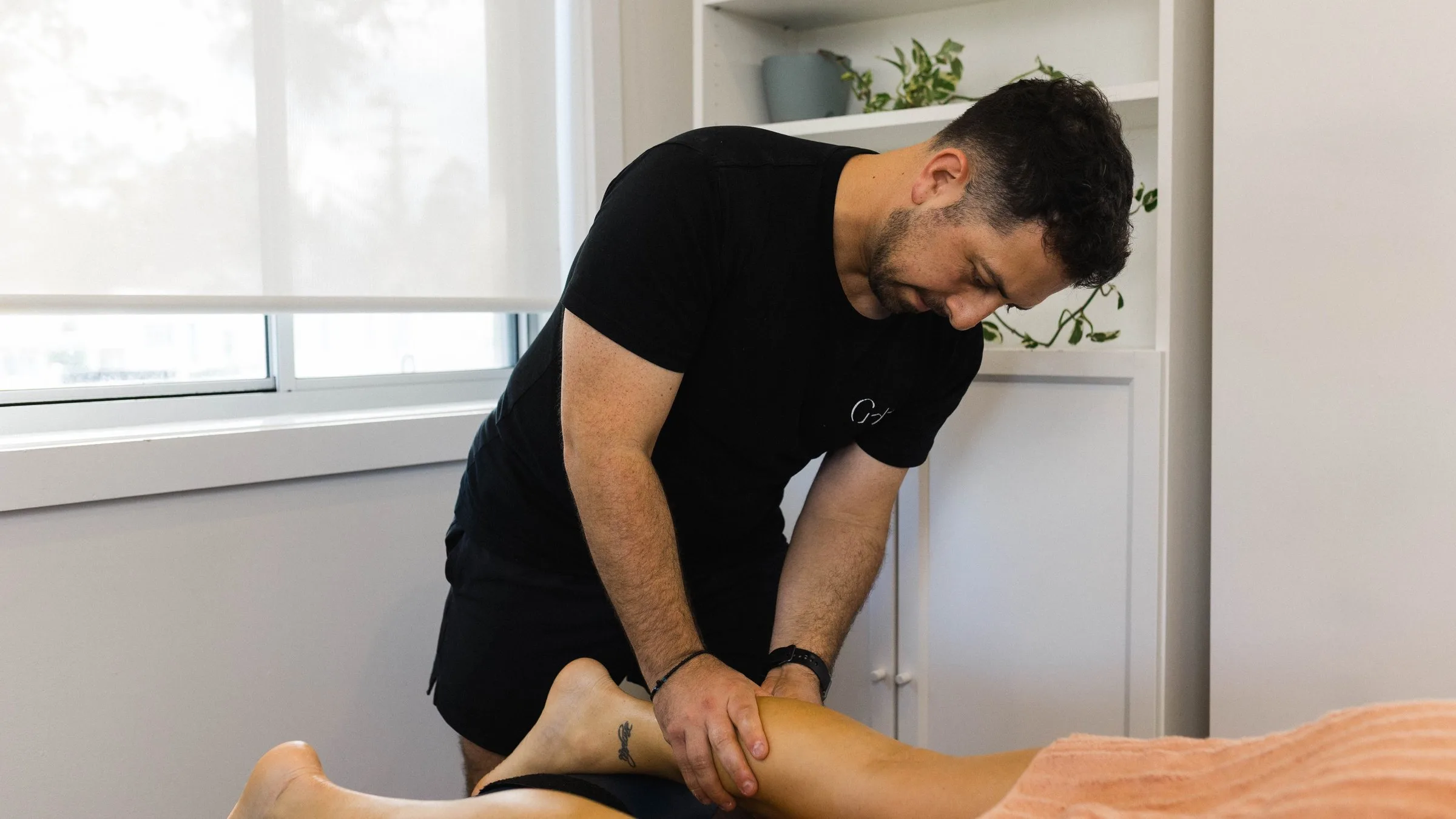
A chiropractor’s role isn’t just to crack your back and send you on your way. It’s about understanding why your posture has shifted in the first place and addressing the underlying restriction or imbalance.
What a posture assessment usually involves
An assessment typically looks at your spinal alignment, muscle tension, and range of motion. It might include watching how you stand, sit, and move, since posture problems often show up differently depending on the activity.
From there, a chiropractor can pinpoint whether the issue is coming from tight muscles, joint restriction, or simply habits that need adjusting.
When adjustments and hands-on treatment help
Spinal adjustments can help restore movement in joints that have become stiff or restricted, which often makes it easier to hold better posture without straining. This is usually paired with advice on stretches, strengthening, and daily habits so the improvement actually sticks.
Ongoing poor posture that’s gone untreated for years sometimes needs a bit more time and consistency to correct, which is worth keeping in mind if you’re expecting overnight results.
Building posture habits that actually last
The biggest challenge with posture correction isn’t learning what to do, it’s remembering to do it consistently. Small environmental cues tend to work better than trying to force yourself to “remember” all day.
Simple daily reminders
- Set a phone alarm for hourly posture and movement checks
- Use a sticky note on your monitor as a visual cue
- Pair posture checks with habits you already do, like making coffee
- Adjust your car seat and mirrors to support an upright driving position
Tracking your progress
Take a photo of your side-on posture every couple of weeks. It’s a simple way to see gradual improvement that’s easy to miss day to day.
If you’re working with a chiropractor, they can also track changes in your range of motion and tension levels over time, which gives you a clearer picture than guesswork alone.
Get to the Root of Your Posture Issues
If your posture has been bothering you for a while and home adjustments aren’t quite cutting it, it might be worth getting a proper assessment.
Our chiropractors at Gladesville Healthcare can take a closer look at what’s driving your posture issues and build a plan around it, whether that’s hands-on treatment, exercise guidance, or both.
Key Takeaways
- Poor posture usually builds up slowly from everyday habits like desk work and phone use.
- Small, consistent changes to your workstation and movement habits make a bigger difference than occasional effort.
- Strengthening your upper back and core supports the alignment you’re trying to build.
- Chiropractic assessments can identify the specific joints or muscles behind your posture issues.
- Long-standing posture problems often need a combination of hands-on treatment and daily habit changes.
Frequently Asked Questions
How long does it take to notice a difference after starting posture correction?
Many people notice less tension within a couple of weeks of consistent effort, though visible changes in alignment tend to take longer. It depends on how long the postural habit has been in place and how consistently you’re doing the exercises.
Can posture correction help with headaches?
Tension headaches that start at the base of the skull are often linked to tightness in the neck and upper back caused by forward head posture. Addressing the alignment and muscle tension in that area can reduce how often these headaches occur.
Is it normal for posture exercises to feel uncomfortable at first?
Some mild muscle fatigue or stiffness is common when you’re activating muscles that haven’t been working properly. Sharp pain isn’t normal though, and that’s worth mentioning to a practitioner rather than pushing through.
Do standing desks fix posture problems on their own?
A standing desk can help by encouraging movement and variety, but standing with poor alignment causes the same problems as sitting with poor alignment. It works best alongside proper setup and regular position changes, not as a stand-alone fix.
What should I bring to a first posture assessment?
It helps to wear comfortable clothing that allows your chiropractor to observe your movement and spinal alignment clearly. Bringing a brief note of when your symptoms started and what activities make them worse also gives useful context.