How Physiotherapy Helps With Frozen Shoulder

Shoulder pain is frustrating enough, but when stiffness starts making everyday movements difficult, it can affect almost everything you do. Washing your hair, reaching for something on a high shelf, getting dressed, or simply reaching behind your back can suddenly become painful or feel almost impossible.
This gradual loss of movement is often associated with frozen shoulder, a condition that can develop slowly and persist for months. Understanding what’s happening in the shoulder, why it becomes so stiff, and what can help is an important first step towards getting your movement back.
TLDR: Frozen shoulder is a condition where the shoulder capsule tightens and causes pain plus a real loss of movement, often over several months. Physiotherapy can’t make it disappear overnight, but it plays a major role in managing pain, maintaining movement, and speeding up recovery through each stage. The earlier you get proper guidance, the less function you tend to lose along the way.
What Frozen Shoulder Actually Is
Frozen shoulder, also called adhesive capsulitis, happens when the capsule of tissue surrounding your shoulder joint thickens and tightens. This restricts movement and causes ongoing pain that can be dull, achy, or sharp depending on what you’re doing with your arm.
It’s more common in people between 40 and 60, and slightly more common in women. It also tends to show up more often in people with diabetes or thyroid conditions, though it can affect anyone.
The Three Stages
- Freezing stage: pain increases gradually and movement starts to reduce
- Frozen stage: pain may ease slightly but stiffness becomes the main issue
- Thawing stage: movement gradually returns over time
Why It Happens
In many cases, there’s no obvious trigger at all. Sometimes it follows an injury, a period of immobility after surgery, or it develops alongside another health condition. This is one of the reasons it can catch people off guard, since it doesn’t always start with a clear cause.
How Physiotherapy Helps Frozen Shoulder Recovery
Physiotherapy doesn’t reverse frozen shoulder instantly, and anyone who promises a quick fix isn’t being fully honest with you. What it does is help you manage each stage more effectively, protect the joint from further stiffness, and rebuild strength as movement starts returning.
Pain Management Techniques
During the freezing stage, the priority is usually calming things down rather than forcing movement. A physiotherapist might use gentle joint mobilisation, soft tissue work, or guided stretching to reduce discomfort without aggravating the joint further.
Restoring Range of Motion
Once you’re through the worst of the pain, the focus shifts to slowly reclaiming movement. This usually involves a mix of hands-on mobilisation and a home exercise program tailored to where you’re at, not a generic sheet of stretches handed to every patient.
Rebuilding Strength
As the shoulder thaws, muscles around the joint often need some rebuilding after months of reduced use. Strength work at this stage helps prevent the stiffness from creeping back and supports a fuller, more lasting recovery.
What A Physiotherapy Session For Frozen Shoulder Looks Like
If you’ve never been to a physio for a shoulder issue, it helps to know roughly what to expect so it feels less like a mystery appointment.
Assessment And Movement Testing
Your physiotherapist will check how far your shoulder moves in different directions, ask about pain patterns, and get a sense of your daily activities that are affected. This helps them figure out which stage you’re likely in.
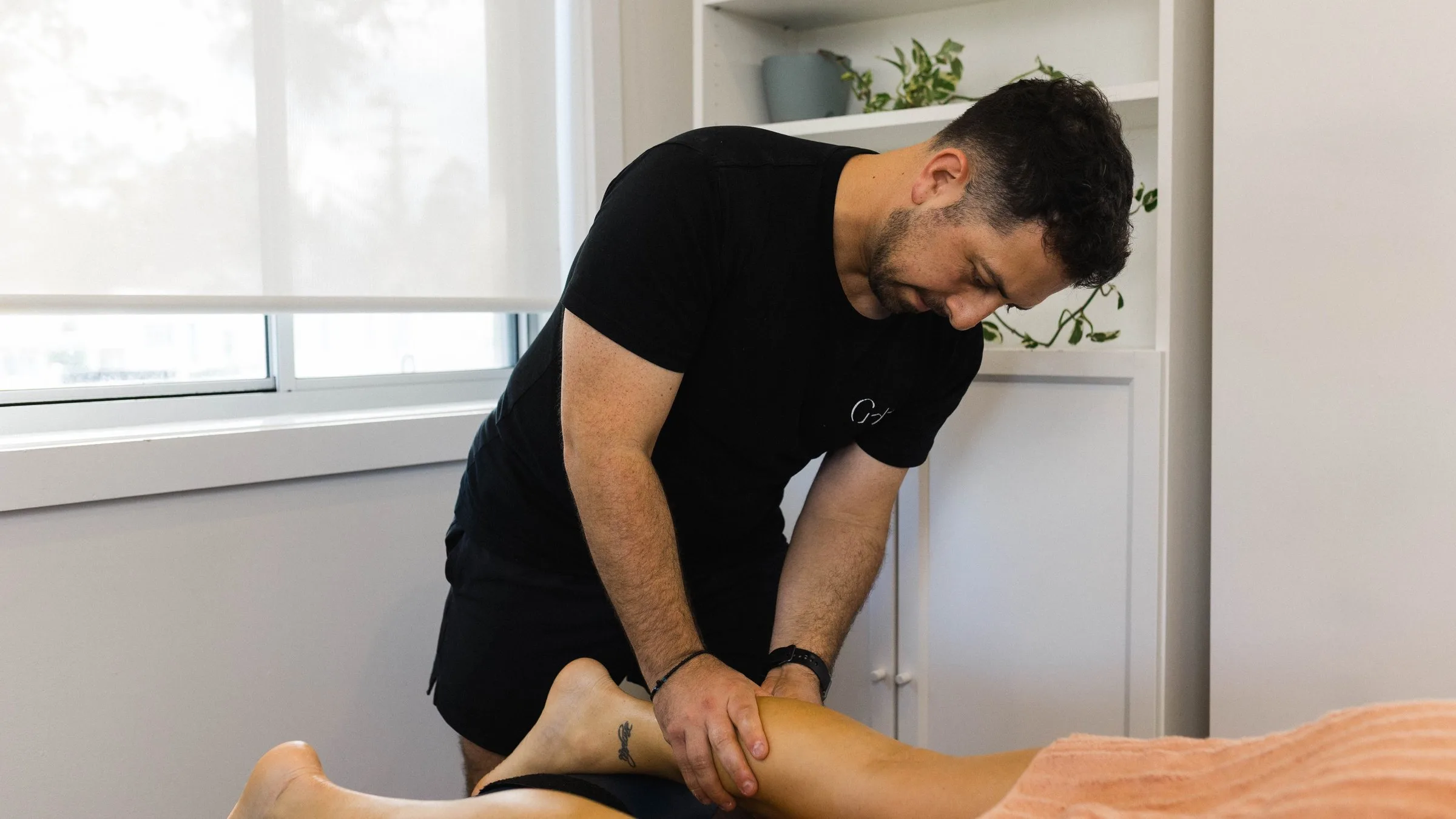
Hands-On Treatment
Depending on your stage, treatment might include joint mobilisation, myofascial release%20are%20stretched.), or gentle stretching. Nothing should feel like it’s forcing the joint past what it can currently handle.
Home Exercises
You’ll likely be given specific stretches or movements to do between sessions. Consistency here matters more than intensity, since frozen shoulder responds better to steady, regular effort than occasional big pushes.
Common Questions People Have Before Starting Treatment
Is It Too Late To Get Help If I’ve Had It For Months?
No. Physiotherapy can still be useful even if you’re well into the frozen stage. It’s never really “too late,” though starting earlier generally means less stiffness builds up in the first place.
Will Exercises Make The Pain Worse At First?
Some mild discomfort during stretching is normal, especially in the frozen stage. Sharp or lasting pain afterward isn’t the goal, and your physiotherapist should adjust intensity based on your feedback.
Can It Come Back After It Resolves?
It’s uncommon for frozen shoulder to return in the same shoulder, though it can occasionally develop in the other one down the track. Ongoing shoulder mobility work can help reduce that risk.
Don’t Let Shoulder Pain Limit Your Movement
If shoulder stiffness and pain have been creeping into your daily life, it’s worth getting it properly assessed rather than waiting it out. The team at Gladesville Healthcare can talk you through where your shoulder is at and what a realistic recovery plan could look like, whether you’re just starting to notice symptoms or you’ve been dealing with them for a while.
Book an appointment with the Gladesville Healthcare team to have your shoulder assessed and take the first step towards moving more comfortably.
Key Takeaways
- Frozen shoulder moves through freezing, frozen, and thawing stages, each needing a different treatment approach
- Physiotherapy helps manage pain early on and rebuild movement and strength as the shoulder improves
- Home exercises between sessions matter just as much as in-clinic treatment
- Getting assessed earlier can help limit how much movement you lose overall
- Recovery timelines vary significantly from person to person, so patience is part of the process
FAQ How Long Does Physiotherapy Take To Show Results For Frozen Shoulder?
Most people notice small improvements within a few weeks of consistent treatment, though full recovery of range of motion can take several months. Frozen shoulder is a slow-moving condition by nature, so gradual progress is normal rather than a sign that treatment isn’t working. Do I Need A Referral To See A Physiotherapist For My Shoulder?
In Australia, you can generally book directly with a physiotherapist without needing a GP referral first. If you’re using a specific health fund extras cover or a chronic condition management plan, it’s worth checking with your GP about eligibility for rebates. Should I Avoid Using My Arm Completely While It’s Frozen?
Complete rest usually isn’t recommended, as it can lead to further stiffness. Gentle, guided movement within a comfortable range tends to support recovery better than avoiding the arm altogether. What Happens If Frozen Shoulder Is Left Untreated?
It can still resolve on its own eventually in some cases, but this process may take one to three years, and movement loss during that time can be significant. Physiotherapy generally shortens the discomfort period and helps preserve more function along the way.