Managing TMJ Dysfunction With Physiotherapy
Does your jaw click when you eat, ache by the end of the day, or feel tight before you’ve even had your morning coffee? You’re definitely not alone. Jaw problems are really common, with nearly half of all people dealing with them at some stage in their life.
Most of the time, it’s TMJ dysfunction: a problem with the joint that connects your jaw to your skull, or the muscles that move it. It can be frustrating, especially when it gets in the way of eating, talking or sleeping well. The good news is that jaw pain usually has a mechanical side to it, and that’s exactly the kind of thing we work on every day.
In this guide, we’ll walk you through what TMJ dysfunction is, what tends to cause it, and how our physios and chiros at Gladesville Healthcare help people get their jaw moving comfortably again.
TLDR: TMJ dysfunction is pain or restriction in the jaw joint or the muscles around it, often linked to clenching, grinding, posture or an old injury. Physio and chiro care can help by looking at how your jaw, neck and posture work together, then using hands-on treatment and exercises that suit you. A few simple changes at home can help too.
What TMJ Dysfunction Is and Why It Hurts
Your temporomandibular joint (TMJ) sits just in front of each ear. You use it every time you talk, chew, yawn or swallow, so when it isn’t working smoothly, you tend to notice pretty quickly.
The joint and the muscles around it
Each TMJ works as both a hinge and a slide. A small disc sits between your jawbone and skull to keep that movement smooth, and a group of muscles opens, closes and shifts your jaw. Some of those muscles work closely with the muscles in your neck.
TMJ dysfunction can come from the joint, the muscles, or a bit of both. That’s why two people with “jaw pain” can need quite different treatment, and why we always start by working out what’s going on for you.
Common signs of TMJ dysfunction
The most common things we hear from patients are jaw pain (especially when eating) and a clicking or grating noise when they chew. You might also notice:
- A tight or tired feeling in your jaw muscles
- Pain around your ear, temple or cheek
- Trouble opening your mouth all the way
- A jaw that catches or feels like it locks
- Headaches that seem to start around the sides of your head
- Neck or shoulder tension that comes along for the ride
When to see your GP or dentist first
Not every sore jaw is a TMJ problem, and some things are best checked by your GP or dentist before anything else. Book in with them promptly if your jaw pain started after a significant knock to the face, if your jaw is stuck open or closed, or if you have swelling, a fever or a dental problem.
If we pick up anything during your appointment that needs a different kind of care, we’ll always let you know and point you in the right direction.
What Causes TMJ Dysfunction
There’s rarely just one cause. Usually it’s a combination of habits, load and history that builds up over time.
Clenching and grinding
This is one of the biggest ones we see. Clenching and grinding can be linked to stress, and lots of people do it without realising, whether that’s while concentrating at the computer, sitting in traffic or sleeping. Over weeks and months, that constant pressure can leave your jaw muscles overworked and sore.
An old injury to the jaw, head or neck
A past knock to the jaw, head or neck can also play a part. It might have been a sporting injury, a fall or a whiplash-type injury from a car accident. Sometimes jaw symptoms don’t show up until well after the original incident, which can make the connection easy to miss.
Posture and the neck connection
Your jaw and neck are closely linked. When your head sits forward for long periods, like looking down at your phone or leaning in towards a screen, the muscles around your jaw and neck have to work harder to hold everything in place. That’s why we’ll always look at your neck and upper back, not just your jaw.
How Physio and Chiro Care Can Help With TMJ
Treatment starts with understanding what’s actually driving your pain. From there, we build a plan around what we find, rather than handing you a generic routine.
Your first appointment
We’ll start by chatting about your symptoms, when they started, what makes them better or worse, and your general health. Then we’ll look at how your jaw opens, closes and moves side to side, and whether it clicks, shifts or catches along the way.
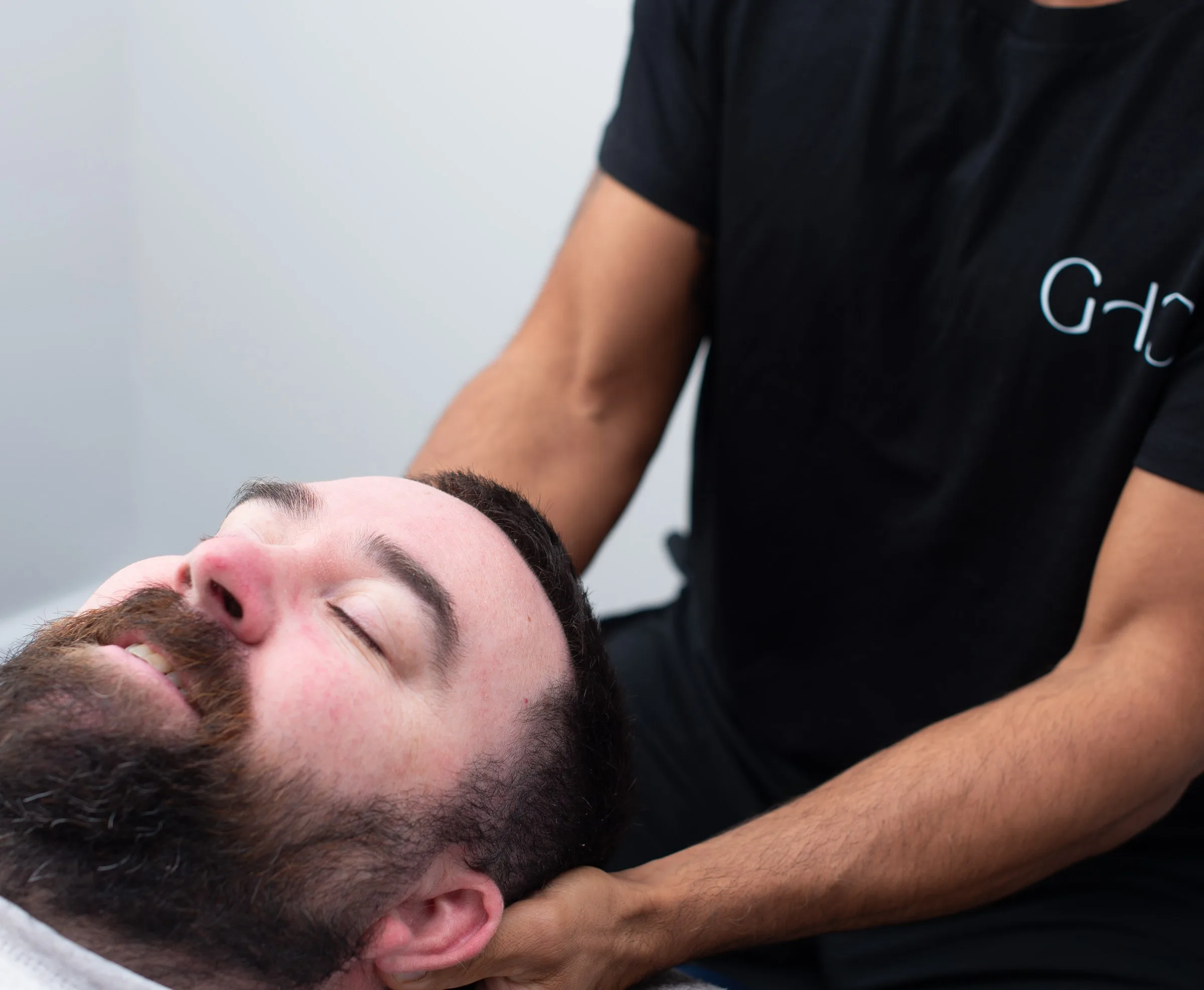
We’ll also check your neck, upper back and posture, and feel the muscles around your jaw, face and neck for tightness or tenderness. Before any treatment, we’ll explain what we’ve found in plain English and talk you through your options.
Hands-on treatment
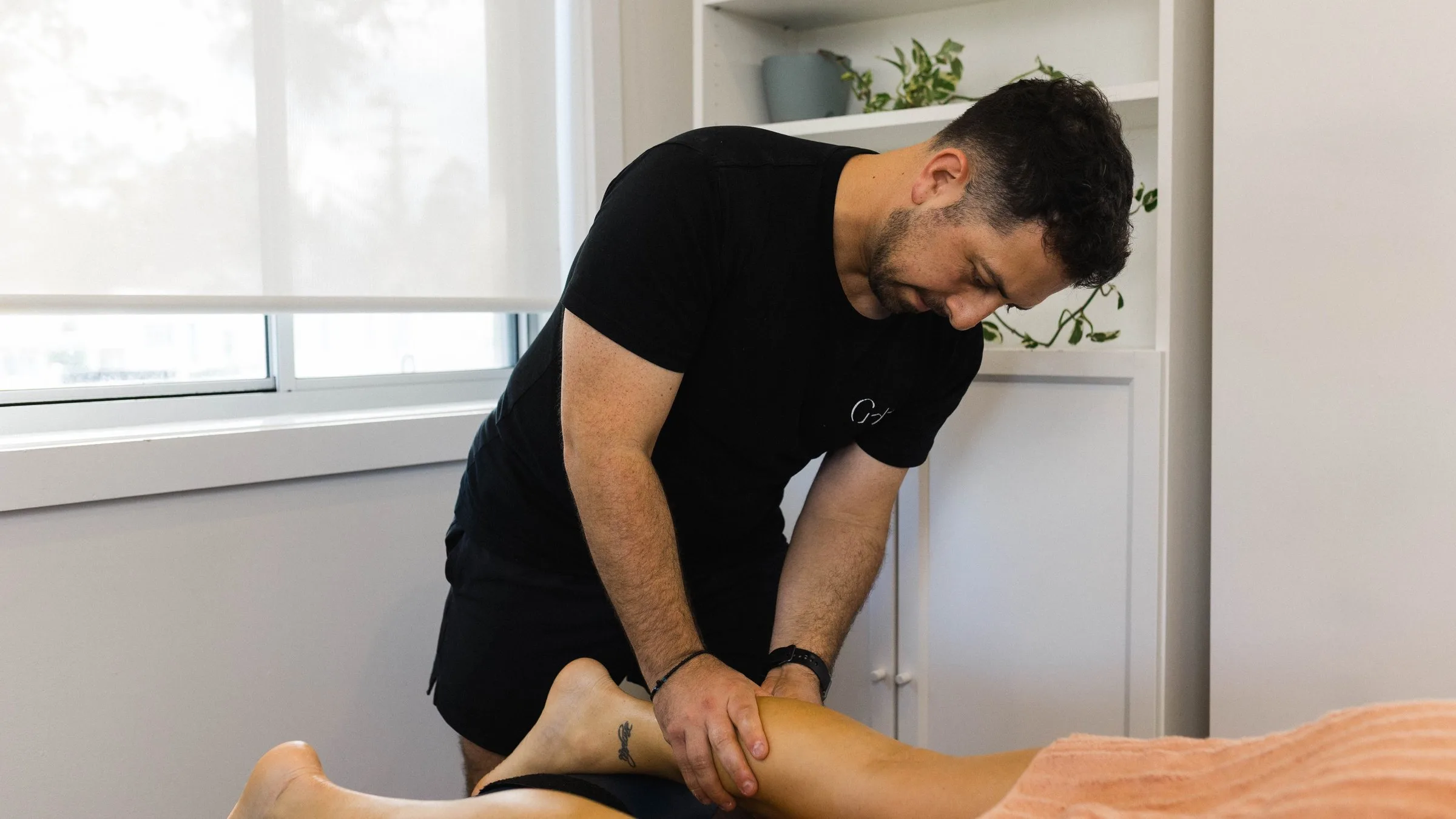
Depending on what we find, treatment may include soft tissue massage to ease overworked jaw and neck muscles, and gentle joint mobilisation to help your jaw and neck move more freely.
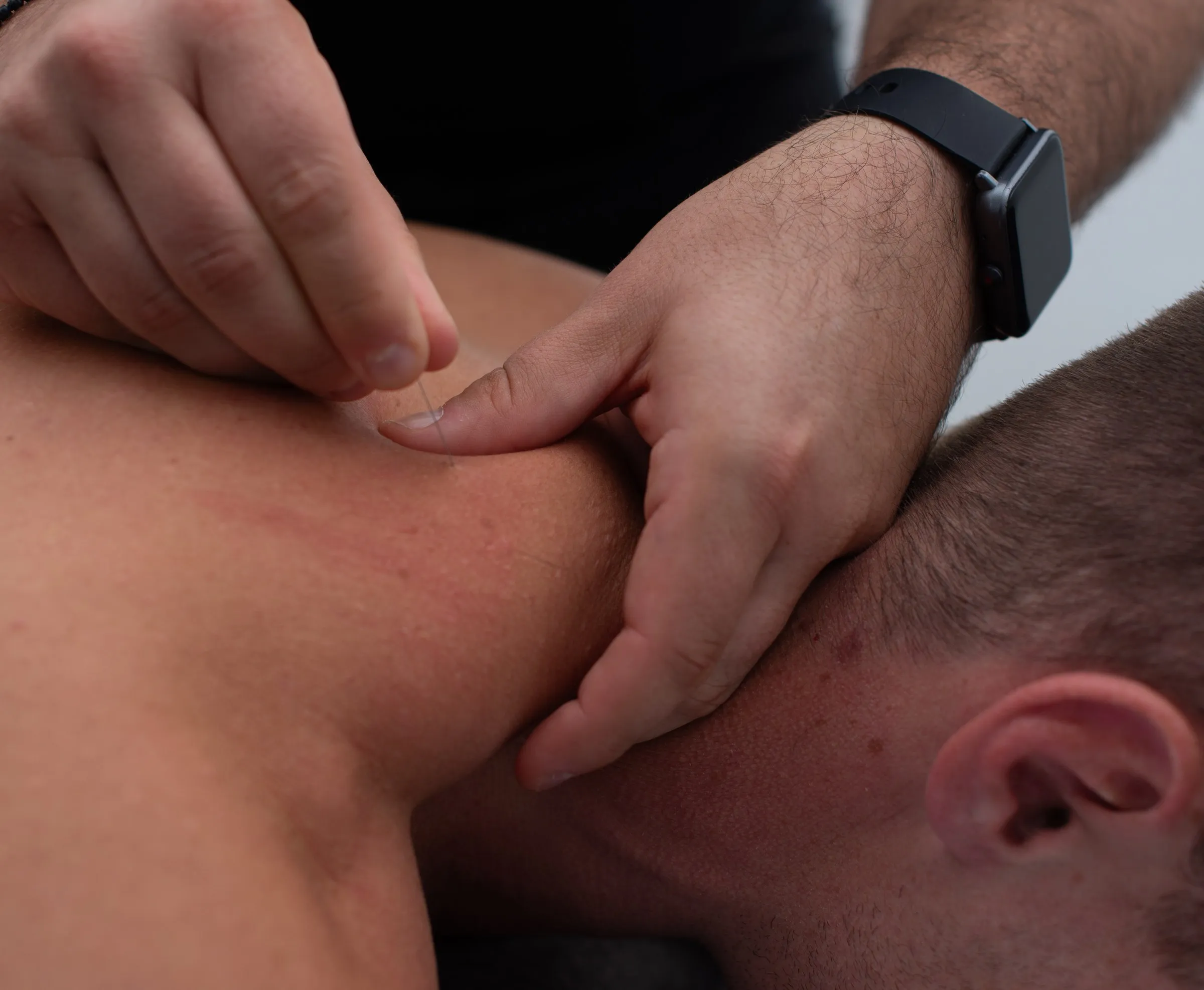
If it suits you, we may also talk about dry needling for particularly tight muscles. We’ll always explain what’s involved and make sure you’re comfortable before we start anything.
Exercises for your jaw and neck
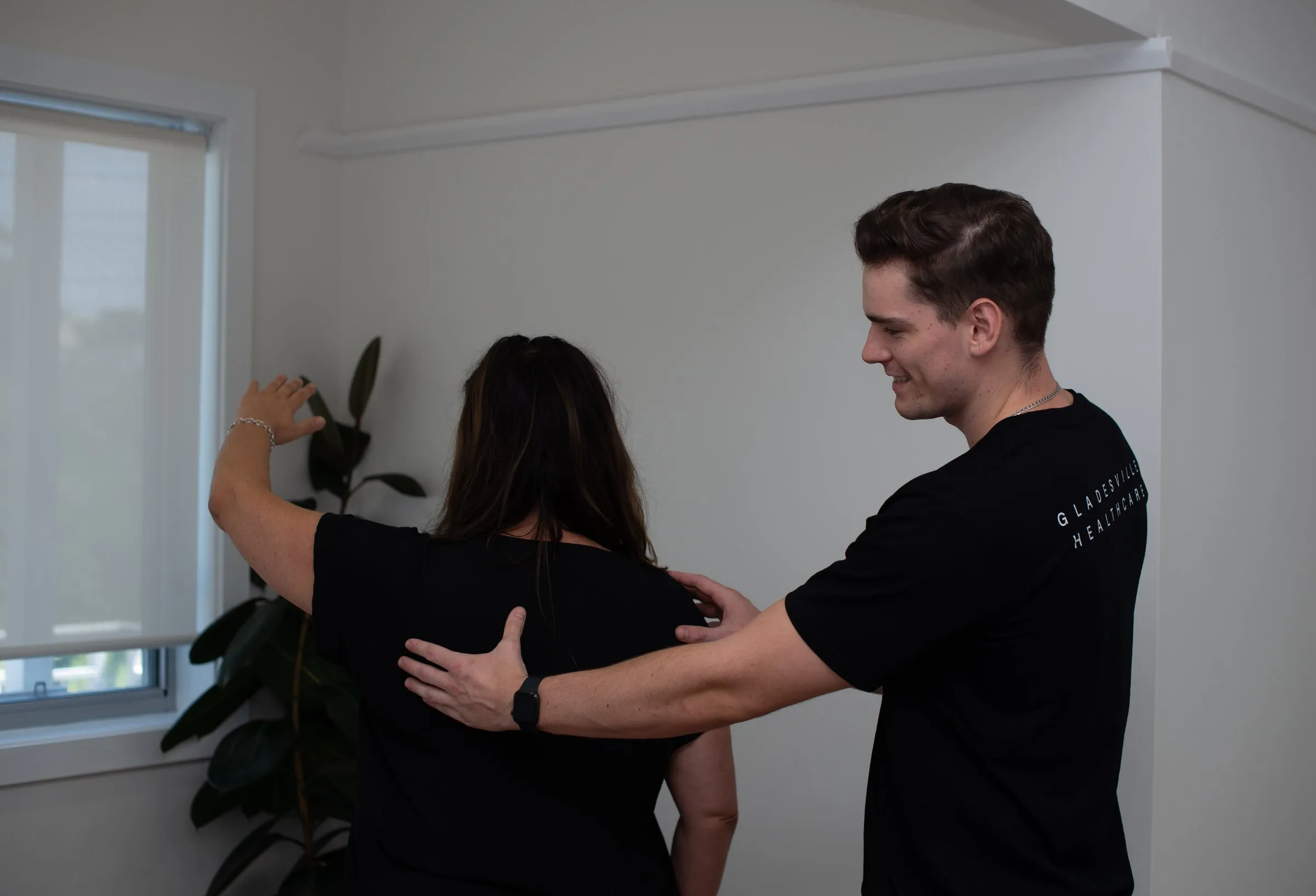
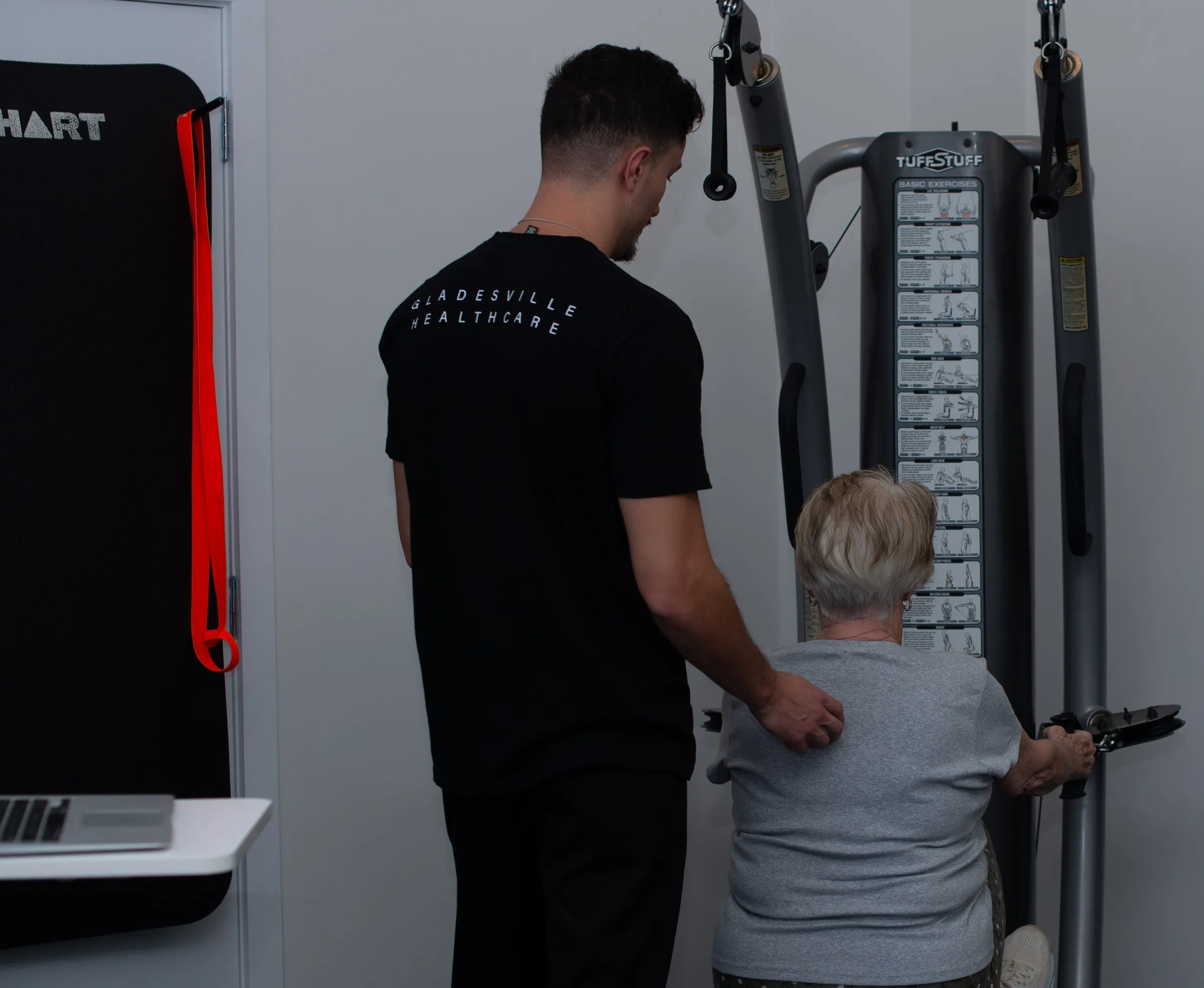
Exercises are a big part of getting on top of TMJ dysfunction for the long term. We’ll show you gentle jaw exercises that are right for you, which usually focus on controlled opening and closing, improving how your jaw moves, and taking strain off tired muscles.
If your neck and posture are part of the picture, we’ll add exercises for those too through exercise rehab. That way, everything is working together rather than one area picking up the slack.
Checking in on your progress
At your follow-up appointments, we’ll recheck how your jaw is moving and how your symptoms are tracking, then adjust your plan as things change. Our goal is to give you the tools to manage it yourself, so you’re not relying on us forever.
Simple Things You Can Do at Home
Small changes in your day can take a surprising amount of pressure off a sore jaw. They work best alongside treatment rather than instead of it.
Go easy on your jaw while it settles
While your jaw is sore, it helps to give it a bit of a break. A few easy ways to do that:
- Stick to softer foods for a while and cut food into smaller pieces
- Skip chewing gum and very chewy or hard foods
- Avoid opening your mouth really wide, and support your jaw when you yawn
- Let your tongue rest gently on the roof of your mouth, with your teeth slightly apart
Catch yourself clenching
Clenching often happens on autopilot, so it helps to check in a few times a day. Are your teeth touching, or are your shoulders creeping up towards your ears? If so, relax your jaw, drop your shoulders and take a breath. It’s a small habit, but it adds up.
Set up your desk and phone use
If you spend a lot of time at a screen, raising it closer to eye level and taking regular breaks can help reduce that forward head posture. Holding your phone up a bit higher, rather than looking down at it, helps too.
How TMJ Dysfunction Links to Headaches and Neck Pain
Jaw pain doesn’t always stay in the jaw. The muscles and nerves in this area are so closely connected that TMJ dysfunction often comes with other symptoms.
Headaches around the temples
Tight jaw muscles can send pain up into your temples and the sides of your head. If you get regular headaches along with jaw tension, let us know, as the two may well be related. You can read more about how we help with headaches and migraines.
Neck stiffness and tension
Lots of people with jaw pain also have a stiff or sore neck. Treating your neck as part of your plan can help your jaw feel better too, which is why we look at the whole area. Our page on neck and spine pain goes into more detail.
Key Takeaways
- TMJ dysfunction is a problem with the jaw joint or the muscles that move it, and it’s very common.
- Common signs include jaw pain when eating, clicking or grating, tightness, and headaches around the temples.
- Clenching, grinding, old injuries and posture can all play a part.
- Physio and chiro care for TMJ starts with a proper look at your jaw, neck and posture.
- Treatment can include hands-on care plus jaw and neck exercises tailored to you.
- Softer foods, catching yourself clenching and a better screen set-up can all help at home.
- See your GP or dentist first after a significant injury, if your jaw is stuck, or if you notice swelling or dental changes.
Frequently Asked Questions About Physio for TMJ
Can a physio or chiro help with jaw pain?
Yes. Jaw pain and TMJ dysfunction are among the conditions our physios and chiros treat at Gladesville Healthcare. We look at your jaw itself as well as your neck and posture, then build a plan around what we find.
How many sessions will I need for TMJ?
It really depends on what’s causing your symptoms, how long you’ve had them, and how you respond to treatment. We’ll give you a clearer idea after your first appointment and keep you updated on your progress along the way.
Should I see a dentist or a physio for TMJ pain?
Sometimes it’s both. A dentist can check for dental causes and may suggest a splint or mouthguard, while we focus on how your jaw joint and muscles are moving. If you’re not sure where to start, your GP can help, and if we think you need a dental review, we’ll tell you.
Are jaw exercises safe to do on my own?
Gentle exercises can help, but the right ones depend on what’s going on with your jaw. An exercise that works well for one person can flare things up for someone else. It’s best to have us show you which exercises suit you and how to do them properly.
Book a Physio or Chiro for TMJ in Gladesville
If your jaw has been clicking, aching or feeling tight, you don’t have to just put up with it. Our physios and chiros at Gladesville Healthcare can take a proper look, explain what’s going on and put together a plan that suits you. Book your appointment online and we’ll take it from there.