Preventing Common Running Injuries With Physiotherapy
Building your running distance can be rewarding, but knee pain can quickly interrupt your progress. If discomfort appears whenever you add more kilometres, it’s worth looking at how your training load, running mechanics and recovery habits may be contributing.
Understanding these factors can help you make informed changes and recognise when to seek professional advice.
TLDR: Most running injuries build up gradually from training errors, muscle imbalances, or poor movement patterns rather than one bad step. Physiotherapy helps identify these issues early, correct them through targeted exercise and manual therapy, and build a training plan that keeps you running consistently instead of on-again-off-again.
Why Do Runners Get Injured So Often?
Running is a repetitive, high-impact activity. Every kilometre you run, your legs absorb forces several times your body weight, thousands of times over. Small inefficiencies in how you move get magnified over distance.
The Most Common Culprits
- Increasing distance or intensity too quickly
- Worn out or unsuitable running shoes
- Weak hips, glutes, or core muscles
- Poor running technique or foot strike pattern
- Not enough recovery time between sessions
Why Pain Often Shows Up Later, Not Straight Away
A lot of runners don’t feel pain until the injury has already been developing for weeks. Tendons and muscles can tolerate overload for a while before they start sending clear signals.
That’s part of why so many people end up Googling their symptoms rather than noticing a problem while it’s small. By the time it hurts, there’s usually already some underlying weakness or imbalance at play.
Common Running Injuries Physiotherapy Can Help Prevent
Some injuries show up again and again in runners, largely because of the repetitive, linear nature of the sport.
Knee and Lower Leg Issues
- Runner’s knee (patellofemoral pain)
- Shin splints
- IT band syndrome
- Achilles tendinopathy
Foot and Hip Related Problems
- Plantar fasciitis
- Stress fractures in the foot or lower leg
- Hip flexor or glute tendon pain
- Lower back tightness linked to running posture
Each of these tends to have its own pattern of causes, but weak hip stability and poor load management show up as contributing factors in almost all of them.
How Physiotherapy Actually Prevents Running Injuries
Physiotherapy isn’t just for when something’s already gone wrong. A lot of runners use it proactively, especially ahead of a race or when increasing their training load.
Movement and Gait Assessment
A physiotherapist will usually watch how you run, not just how you stand. This helps spot things like overstriding, poor hip control, or uneven loading that you’d never notice yourself.
These small technique issues are often the missing link between “doing everything right” and still getting injured.
Strength and Mobility Work
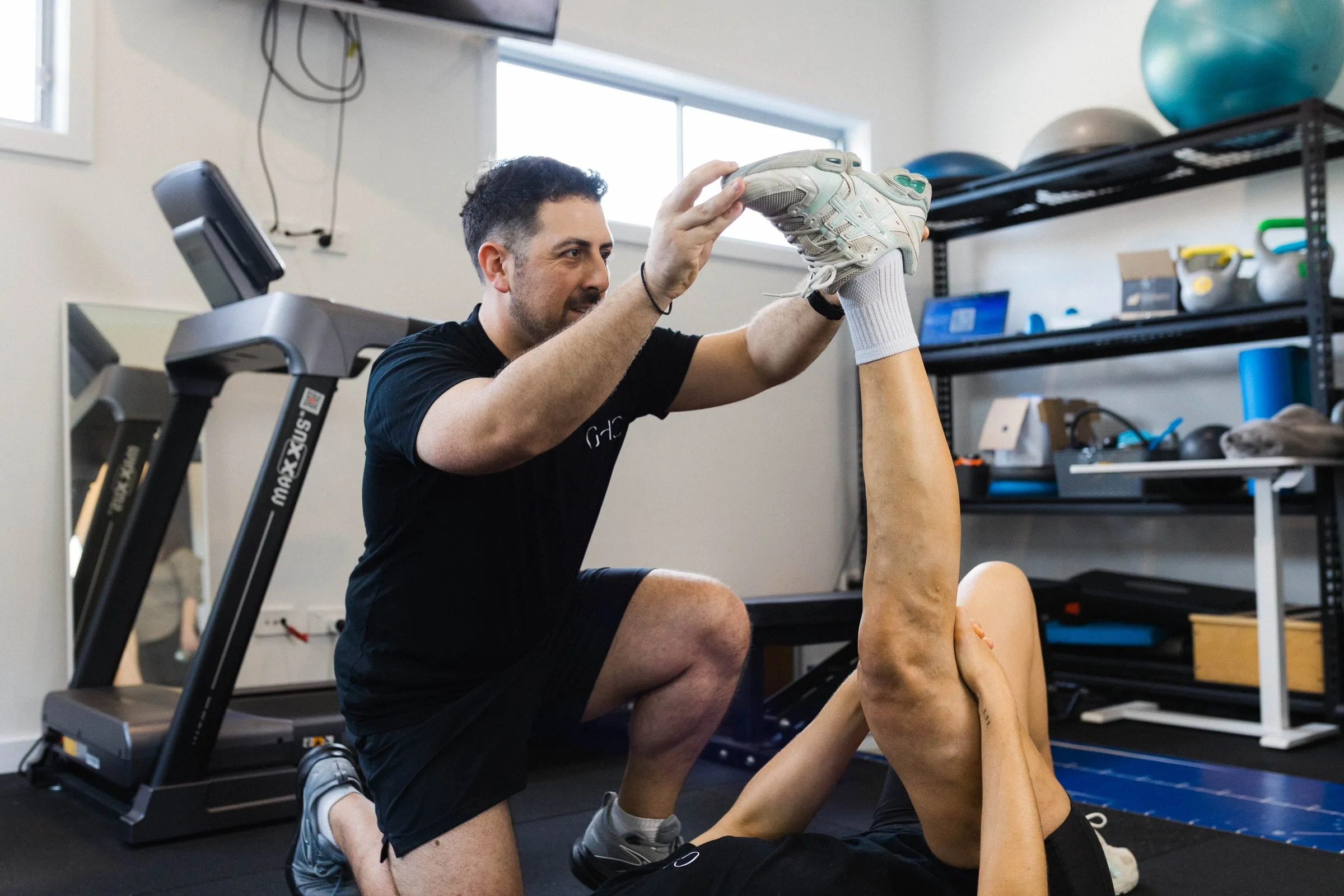
Most running injuries trace back to a strength gap somewhere, often in the glutes, hips, or calves. Targeted strength exercises address the root cause rather than just calming down the symptom.
- Single-leg strength exercises for stability
- Calf and Achilles loading programs
- Hip and glute activation work
- Core control exercises for pelvic stability
Hands-On Treatment When Needed
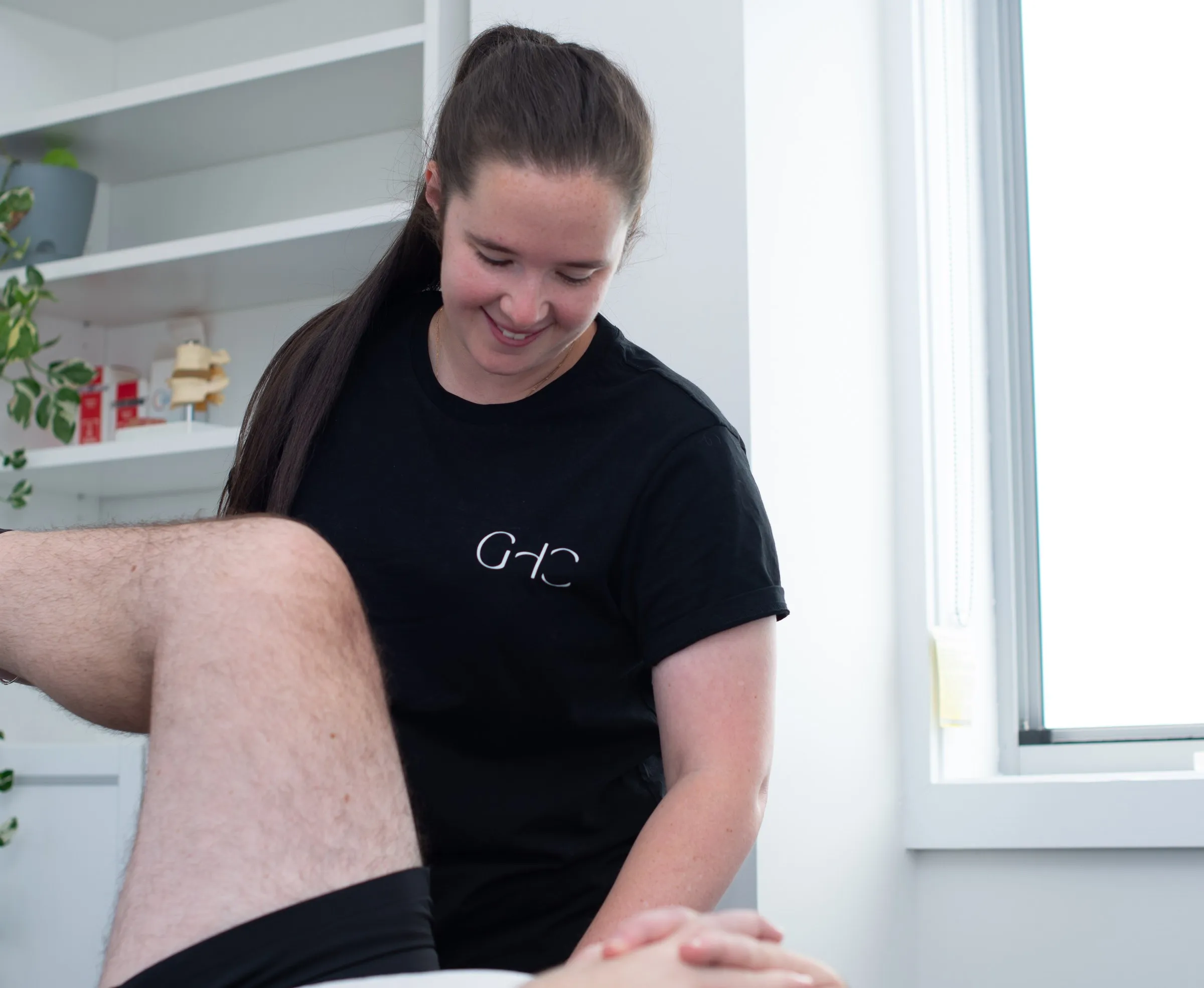
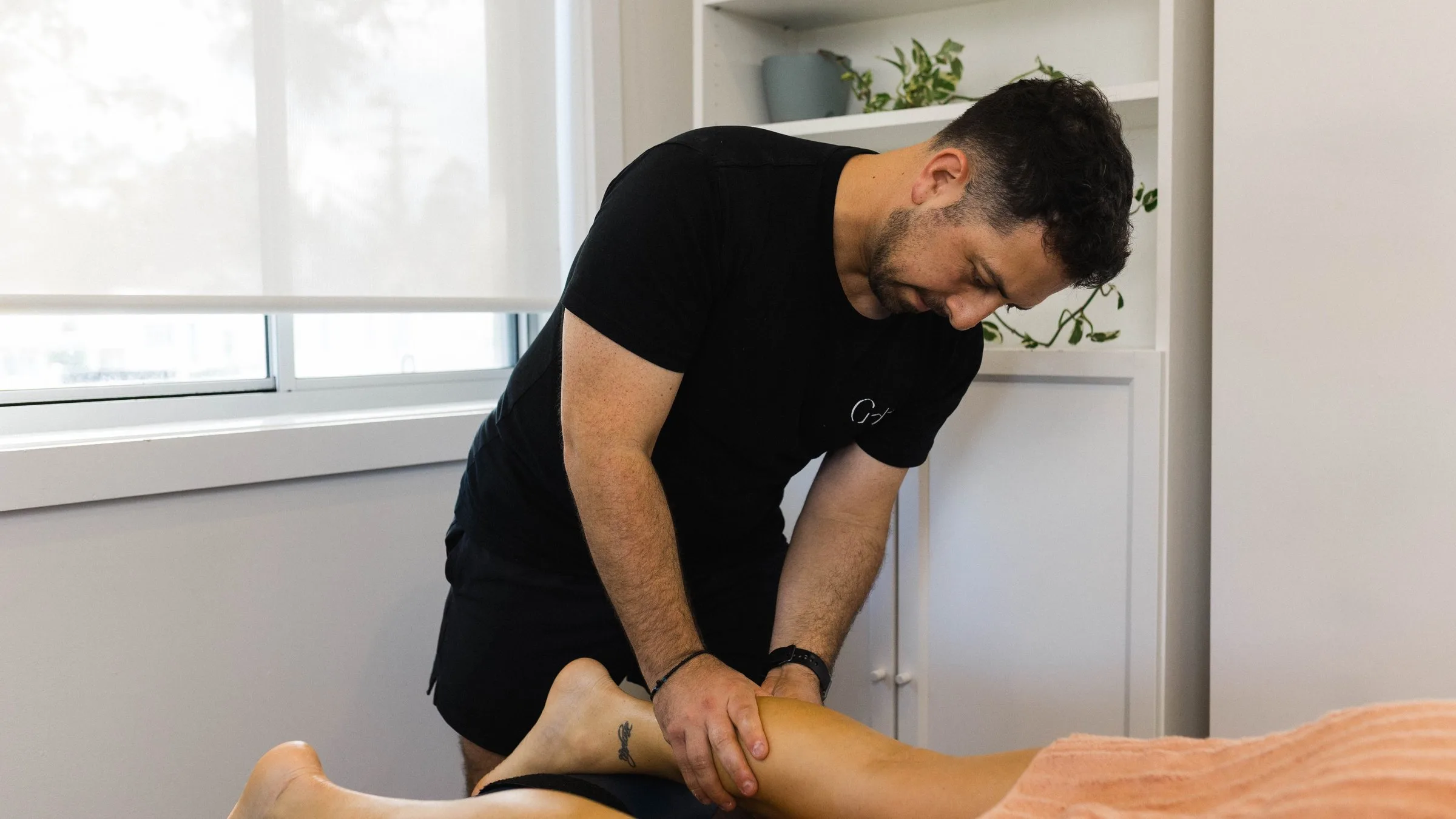
Manual therapy, soft tissue work, and taping can help manage pain and tightness while you’re working through the underlying strength or technique issue. It’s rarely the whole fix on its own, but it can make the process a lot more comfortable.
Building a Training Plan That Doesn’t Break You Down
A good chunk of injury prevention isn’t about anatomy at all, it’s about pacing your training sensibly.
Managing Load Increases
Sudden jumps in distance, speed, or hill work are one of the biggest injury triggers. A physiotherapist can help you structure increases that match what your body can actually adapt to.
Recovery and Rest Days
Rest isn’t wasted time, it’s when your tissues actually adapt and get stronger. Skipping recovery is one of the most common mistakes among runners training for an event.
If you’re training for a half marathon or marathon, this becomes even more important given the cumulative load over months of preparation.
When Should You See a Physio About Running Pain?
You don’t need to wait until you can’t run at all. Some signs are worth acting on early, well before they turn into a forced break from training.
- Pain that doesn’t settle within a day or two of rest
- Discomfort that gets worse as a run goes on
- Pain that changes how you’re running, even slightly
- Recurring tightness in the same spot run after run
- Swelling around a joint after training
Early assessment usually means a shorter recovery and less time off your feet. Waiting it out often just delays the inevitable.
Don’t Let Running Pain Derail Your Training
If running pain or niggles are starting to interrupt your training, it’s worth getting it looked at properly rather than guessing. The team at Gladesville Healthcare can assess your movement, work out what’s actually driving the issue, and help you build a plan to keep running injury-free.
Book an assessment with Gladesville Healthcare to understand what may be contributing to your pain and build a plan for a more comfortable return to running.
Key Takeaways
- Most running injuries develop gradually from training load, strength imbalances, or technique issues
- Knee pain, shin splints, Achilles tendinopathy, and plantar fasciitis are among the most common running injuries
- Physiotherapy combines gait assessment, strength work, and hands-on treatment to address root causes
- Sensible load management and recovery planning reduce injury risk as much as any exercise program
- Acting on early warning signs leads to faster recovery than waiting for pain to become severe
Frequently Asked Questions
How often should runners get a physio check-up, even without pain?
There’s no fixed rule, but many runners book in every few months or when they’re about to increase training volume, such as before a race block. A check-up at these points can catch small imbalances before they turn into bigger problems.
Can physiotherapy help with running form without changing my natural stride too much?
Yes, most physios aim for small, targeted adjustments rather than a full overhaul of your running style. The goal is usually to reduce excess strain on one area, not to make you run in a way that feels unnatural.
Is it normal to feel sore after every long run, or is that a warning sign?
Mild muscle fatigue after a long run is normal and usually settles within a day or two. Sharp, localised, or lingering pain is different and worth getting checked, especially if it’s in the same spot each time.
Do I need a referral to see a physiotherapist for running injury prevention?
In most cases, no, you can book directly with a physiotherapist without a GP referral. If you’re claiming through a health fund or specific scheme, it’s worth checking what documentation they require.
How long does it typically take to recover from a running-related injury with physio support?
This varies a lot depending on the injury, but many soft tissue issues improve over several weeks with the right combination of load management and strengthening. More involved cases, like stress fractures, take longer and need a more conservative return-to-running plan.
Was this helpful? Click the button to recommend us!
 Add us as a preferred source on Google