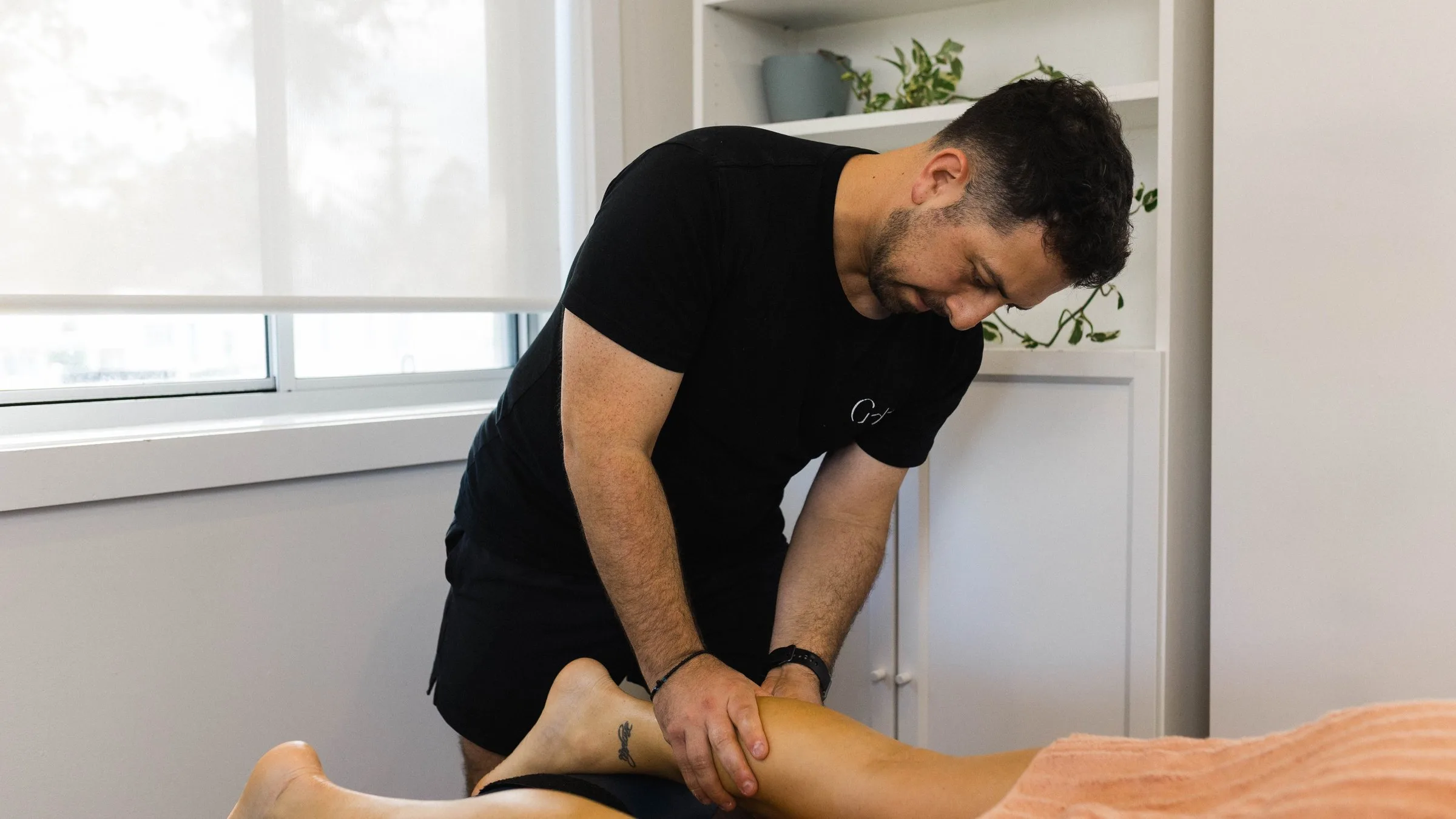
Radial Shockwave Therapy: Advanced Treatment for Pain & Injury
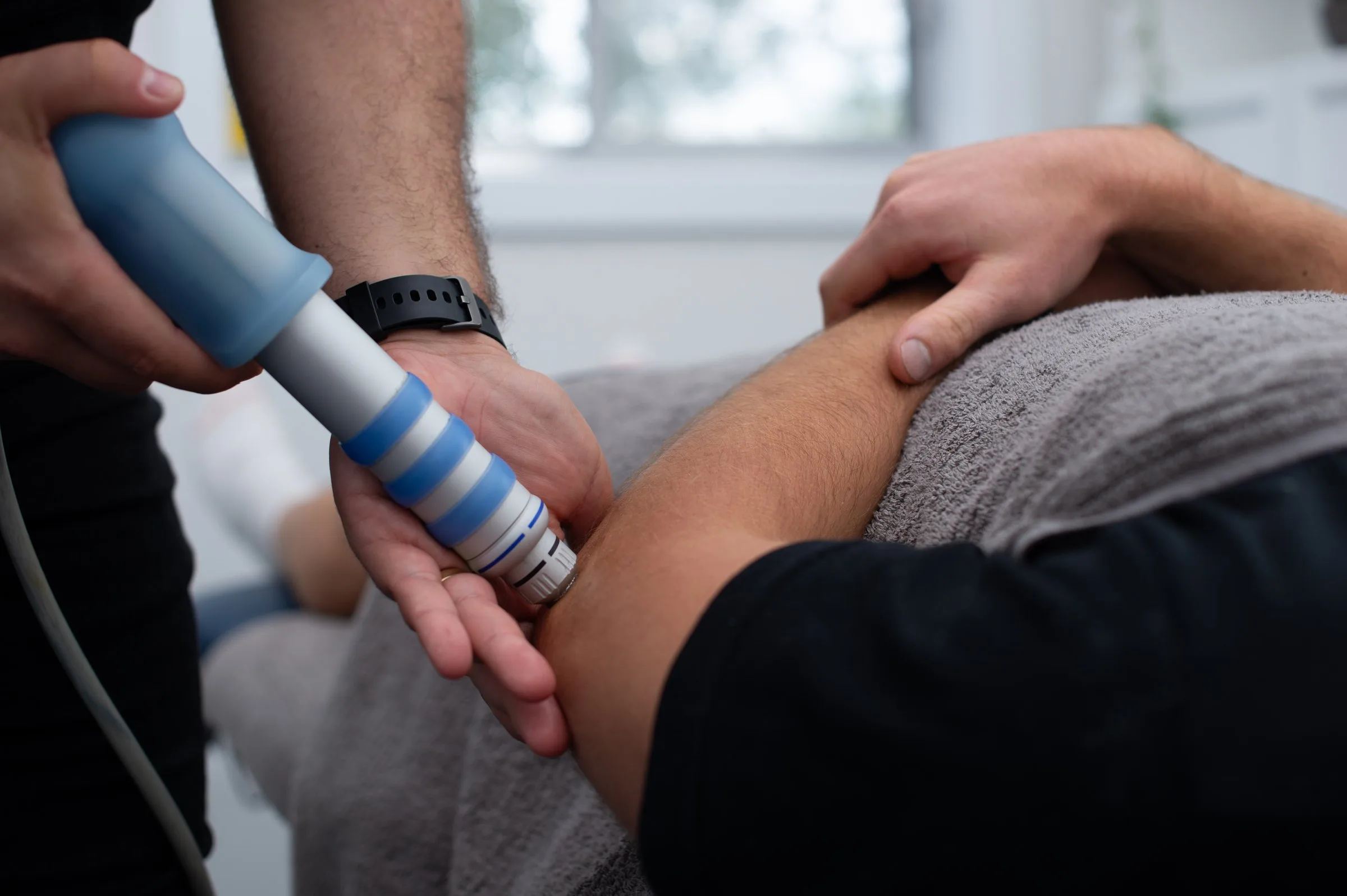
What is Radial Shockwave Therapy?
Radial Shockwave Therapy is a modern treatment modality that is available at Gladesville Healthcare to treat tendinopathies, muscular, ligamentous, and other soft tissue injuries. This form of physiotherapy shockwave therapy is commonly used to support recovery from chronic pain, sports injuries, tendon dysfunction, and persistent musculoskeletal conditions.
During this quick procedure, a high-intensity acoustic sound wave is transmitted through a probe that is placed on the skin of the affected area. Also known as extracorporeal shockwave therapy, this non-invasive shockwave therapy treatment is designed to stimulate circulation, encourage tissue repair, and support the body’s natural healing response.
Physiotherapy shockwave therapy is often recommended for patients who have not responded well to rest, stretching, strengthening exercises, or other conservative treatment approaches. By combining treatment with rehabilitation exercises and movement-based care, physiotherapy shockwave therapy can help improve mobility, reduce pain, and support long-term recovery outcomes.
At Gladesville Healthcare, our practitioners take an evidence-based approach to treatment and rehabilitation. Every patient undergoes a detailed assessment to determine whether Radial Shockwave Therapy is appropriate for their condition, symptoms, and recovery goals. This individualised approach helps ensure treatment is both safe and effective while supporting better long-term outcomes.
Many patients seeking shockwave therapy Sydney services are looking for non-invasive treatment options that may help them avoid surgery, injections, or long periods away from work and exercise. Radial Shockwave Therapy is commonly recommended for chronic injuries that have failed to improve with traditional conservative care alone.
Patients researching extracorporeal shockwave therapy near me often choose Gladesville Healthcare because of our integrated rehabilitation approach, combining advanced treatment technology with hands-on therapy, exercise rehabilitation, and patient education.
How Does Radial Shockwave Therapy Work?
The benefits observed from this leading edge therapy include:
- Increased blood flow and metabolic activity at the treatment site
- Reduction or reversal of chronic inflammation
- Breakdown of scar tissue and calcium deposits in certain injuries
- Stimulation of collagen production
These benefits collectively create an optimal healing environment for many chronic injuries that we see in practice.
Our clinicians use advanced shockwave therapy equipment and clinically proven shockwave therapy machines to deliver precise and targeted care. Depending on the condition being treated, treatment intensity can be adjusted using modern shockwave therapy machine technology to maximise comfort and effectiveness.
In many rehabilitation programs, shockwave therapy physical therapy techniques are combined with stretching, strengthening exercises, and mobility training to improve long-term outcomes and reduce the risk of re-injury.
Some patients may also come across the term corporeal shockwave therapy while researching treatment options online. This term is commonly associated with extracorporeal shockwave therapy and refers to the use of externally applied acoustic energy to treat injured tissue without surgery or invasive procedures.
Shockwave therapy works by creating controlled mechanical stimulation within damaged tissue. This stimulation encourages increased circulation and cellular activity, which may help improve tissue healing over time. Because treatment is non-invasive, it can often be incorporated into rehabilitation programs with minimal interruption to work, sport, or daily activities.
Modern shockwave therapy machines are designed to precisely target injured tissue while minimising impact on surrounding structures. This allows clinicians to tailor treatment to the individual patient while adjusting treatment intensity depending on comfort levels and rehabilitation goals.
Shockwave therapy treatment is commonly used in physiotherapy and podiatry clinics for conditions involving tendons, muscles, ligaments, and connective tissue. It may be particularly beneficial for chronic conditions that have persisted for several months despite conservative treatment.
Conditions We Treat
This leading edge treatment has been clinically proven as a safe treatment option for several conditions, including:
- shockwave therapy plantar fasciitis
- Upper and Lower Limb Tendinopathy (including shockwave therapy achilles tendinopathy, Patella, Tibialis Posterior, Rotator Cuff, and Gluteal tendon pathologies)
- Lateral Epicondylitis (Tennis Elbow)
- Medial Epicondylitis (Golfer’s Elbow)
- Greater Trochanteric Pain Syndrome
- Calcific Tendinosis
- Shoulder Impingement Syndrome
- Bursitis
Many patients seek plantar fasciitis treatment shockwave therapy after experiencing ongoing heel pain that has not improved with stretching, orthotics, or rest alone. Shockwave therapy for plantar fasciitis may help stimulate healing, reduce inflammation, and improve day-to-day mobility.
Shockwave therapy for plantar fasciitis is commonly recommended for people experiencing heel pain first thing in the morning, after prolonged standing, or during exercise. When combined with rehabilitation exercises, footwear advice, and activity modification, many patients experience gradual improvements in pain and function.
We also commonly provide shockwave therapy for achilles tendinopathy and shockwave therapy for achilles tendonitis as part of structured rehabilitation programs designed to improve tendon strength, mobility, and overall function. In some cases, extracorporeal shockwave therapy achilles treatment may be recommended when symptoms have persisted for an extended period despite conservative care.
Extracorporeal shockwave therapy plantar fasciitis treatment is often combined with footwear advice, strengthening exercises, and load management strategies to support long-term recovery and reduce the risk of recurrence.
Patients experiencing chronic tendon pain often find that symptoms affect their ability to participate in exercise, sport, work, or daily activities. By integrating shockwave therapy with rehabilitation-based care, our clinicians aim to improve movement quality, restore function, and reduce ongoing pain.
Shockwave therapy treatment is commonly used for both sporting and non-sporting injuries. Active individuals, runners, gym-goers, office workers, and older adults may all benefit from treatment depending on their condition and rehabilitation goals.
Why Choose Gladesville Healthcare?
Gladesville Healthcare is proud to be one of the only clinics in the area offering Radial Shockwave Therapy. We receive referrals from local GPs, allied health professionals, and clients who have experienced its benefits firsthand.
Our experienced team provides shockwave therapy physiotherapy services for a wide range of musculoskeletal and sports injuries. Whether you are seeing a shockwave therapy podiatrist for chronic heel pain or attending treatment with a shockwave therapy physio, we tailor each rehabilitation plan to your individual needs and recovery goals.
All of our podiatrists, chiropractors, and physiotherapists are trained and experienced in using this advanced treatment.
At Gladesville Healthcare, Radial Shockwave Therapy is integrated into broader rehabilitation programs designed to improve strength, mobility, pain management, and long-term function. Our clinicians take an individualised approach to ensure every Radial Shockwave Therapy plan is tailored to the patient’s condition and activity goals.
Our clinic provides integrated shockwave therapy podiatry and physiotherapy services to support patients experiencing chronic heel pain, tendon injuries, and musculoskeletal conditions. By combining hands-on care, rehabilitation exercises, and evidence-based treatment strategies, we aim to improve recovery outcomes and long-term function.
Our practitioners also undertake ongoing shockwave therapy education to stay updated with current research, rehabilitation strategies, and treatment protocols. This commitment to evidence-based care helps ensure patients receive safe, personalised, and effective treatment.
Many patients choose Gladesville Healthcare because of our collaborative and patient-focused approach. We work closely with patients to understand their symptoms, lifestyle demands, training goals, and recovery expectations before developing a personalised rehabilitation plan.
What to Expect During Treatment
Typically, each Radial Shockwave Therapy session lasts 2–3 minutes per region, with sessions spaced approximately one week apart.
Studies show that around 80% of patients report positive improvement within 2–3 sessions when combined with other therapy methods such as:
- Soft tissue massage
- Dry needling
- Stretching
- Functional rehabilitation programs
- Education on injury prevention
Most patients tolerate shockwave therapy treatment very well, although some mild discomfort or temporary soreness can occur during or after treatment. Your practitioner will discuss any potential side effects of shockwave therapy before treatment begins to ensure it is appropriate for your condition and medical history.
Common shockwave therapy side effects may include temporary redness, swelling, bruising, or tenderness around the treatment area. In most cases, these side effects of shockwave therapy are mild and resolve naturally within a few days.
Depending on the severity and duration of the condition being treated, most patients require between three and six sessions for optimal results. Treatment may also be combined with strengthening exercises and mobility work to maximise recovery outcomes.
During your appointment, your practitioner will identify the injured area and adjust treatment intensity according to your comfort levels. Some patients experience mild discomfort during treatment, particularly when treating sensitive or chronically inflamed tissue, however this typically settles quickly once treatment has finished.
Patients are usually able to continue with most normal activities following treatment, although high-impact exercise may need to be modified temporarily depending on the condition being treated.
Benefits Of Shockwave Therapy
One of the major advantages of shockwave therapy is that it is completely non-invasive and does not require medication or surgery. Many patients choose this treatment because it can help reduce pain, improve movement, and accelerate healing while allowing them to continue many of their normal daily activities.
By using specialised shockwave therapy equipment, clinicians can precisely target injured tissue while minimising impact on surrounding structures. This makes treatment suitable for a wide range of chronic musculoskeletal conditions commonly seen in podiatry and physiotherapy clinics.
Another key benefit of shockwave therapy is that sessions are relatively quick and can easily be incorporated into broader rehabilitation programs. Many patients appreciate that treatment is designed to support the body’s natural healing response rather than simply masking symptoms.
For patients wanting to avoid surgery, injections, or long-term medication use, shockwave therapy may provide an effective alternative treatment option when combined with a structured rehabilitation plan.
Because treatment is non-invasive, many patients are able to continue participating in work, exercise, and everyday activities throughout their recovery process with minimal disruption.
Shockwave therapy treatment may also help improve tissue tolerance and support long-term injury management when combined with strengthening exercises and gradual return-to-activity programs.
Book Your Appointment Today
Have any questions? Contact us today or book an appointment online to find out if this treatment can help you.
FAQ
What is shockwave therapy?
What is shockwave therapy is a common question among patients exploring non-invasive treatment options for chronic pain and tendon injuries. Shockwave therapy uses acoustic energy to stimulate blood flow, encourage tissue healing, and reduce pain in targeted areas of the body. Is Radial Shockwave Therapy the same as extracorporeal shockwave therapy?
Yes. Radial Shockwave Therapy is a type of extracorporeal shockwave therapy commonly used to treat chronic tendon injuries, plantar fasciitis, and musculoskeletal pain conditions. What conditions can shockwave therapy help treat?
Shockwave therapy is commonly used for chronic tendon injuries, heel pain, calcific tendinosis, shoulder pain, and musculoskeletal conditions that have not responded well to other conservative treatments. Is shockwave therapy used for kidney stones?
While shockwave therapy kidney stones treatment exists in hospital and specialist medical settings, the treatment provided at Gladesville Healthcare focuses on tendon, muscle, and soft tissue rehabilitation rather than kidney stone management. What is kidney stone extracorporeal shockwave therapy?
Kidney stone extracorporeal shockwave therapy is a medical procedure used to break down kidney stones using focused acoustic waves. Although similar technology is used, musculoskeletal shockwave therapy treatment is specifically designed for tendon, ligament, and soft tissue injuries. Is shockwave therapy for kidney stones the same treatment?
Shockwave therapy for kidney stones is performed in hospital or specialist medical settings and differs from the musculoskeletal treatment provided at Gladesville Healthcare. Our treatment focuses on chronic pain, tendon injuries, and rehabilitation-based care. Can shockwave therapy help plantar fasciitis?
Yes. Shockwave therapy for plantar fasciitis and extracorporeal shockwave therapy plantar fasciitis treatment may help reduce chronic heel pain, improve mobility, and stimulate tissue healing when combined with strengthening exercises and podiatry care. Can shockwave therapy help Achilles tendon pain?
Yes. Shockwave therapy for achilles tendinopathy and shockwave therapy for achilles tendonitis are commonly used to support healing in chronic Achilles tendon injuries. Treatment is often combined with calf strengthening, mobility work, and gradual return-to-activity programs. Can a shockwave therapy podiatrist help with heel pain?
Yes. A shockwave therapy podiatrist commonly treats plantar fasciitis, Achilles tendon pain, and other lower limb injuries using evidence-based rehabilitation strategies tailored to the individual patient. Is physio shockwave therapy painful?
Most patients describe physio shockwave therapy as mildly uncomfortable rather than painful. Treatment intensity can be adjusted depending on the area being treated and the patient’s comfort levels. How does shockwave therapy physiotherapy support recovery?
Shockwave therapy physiotherapy is commonly combined with exercise rehabilitation, mobility training, and hands-on therapy to improve movement quality, reduce pain, and support long-term recovery from chronic injuries. Can shockwave therapy physical therapy help athletes?
Yes. Shockwave therapy physical therapy is commonly used in sports rehabilitation to assist with tendon injuries, muscle pain, and overuse conditions while helping athletes maintain mobility and function throughout recovery. Can extracorporeal shockwave therapy near me help avoid surgery?
Many patients searching for extracorporeal shockwave therapy near me are looking for non-invasive alternatives to surgery or injections. In appropriate cases, shockwave therapy may help improve healing and reduce pain without the need for invasive procedures. Is shockwave therapy available in Brisbane?
Patients searching for shockwave therapy brisbane services are often looking for non-invasive treatment options for chronic tendon injuries, plantar fasciitis, and musculoskeletal pain. While Gladesville Healthcare is based in Sydney, shockwave therapy is commonly offered in physiotherapy, podiatry, and sports medicine clinics across Australia.