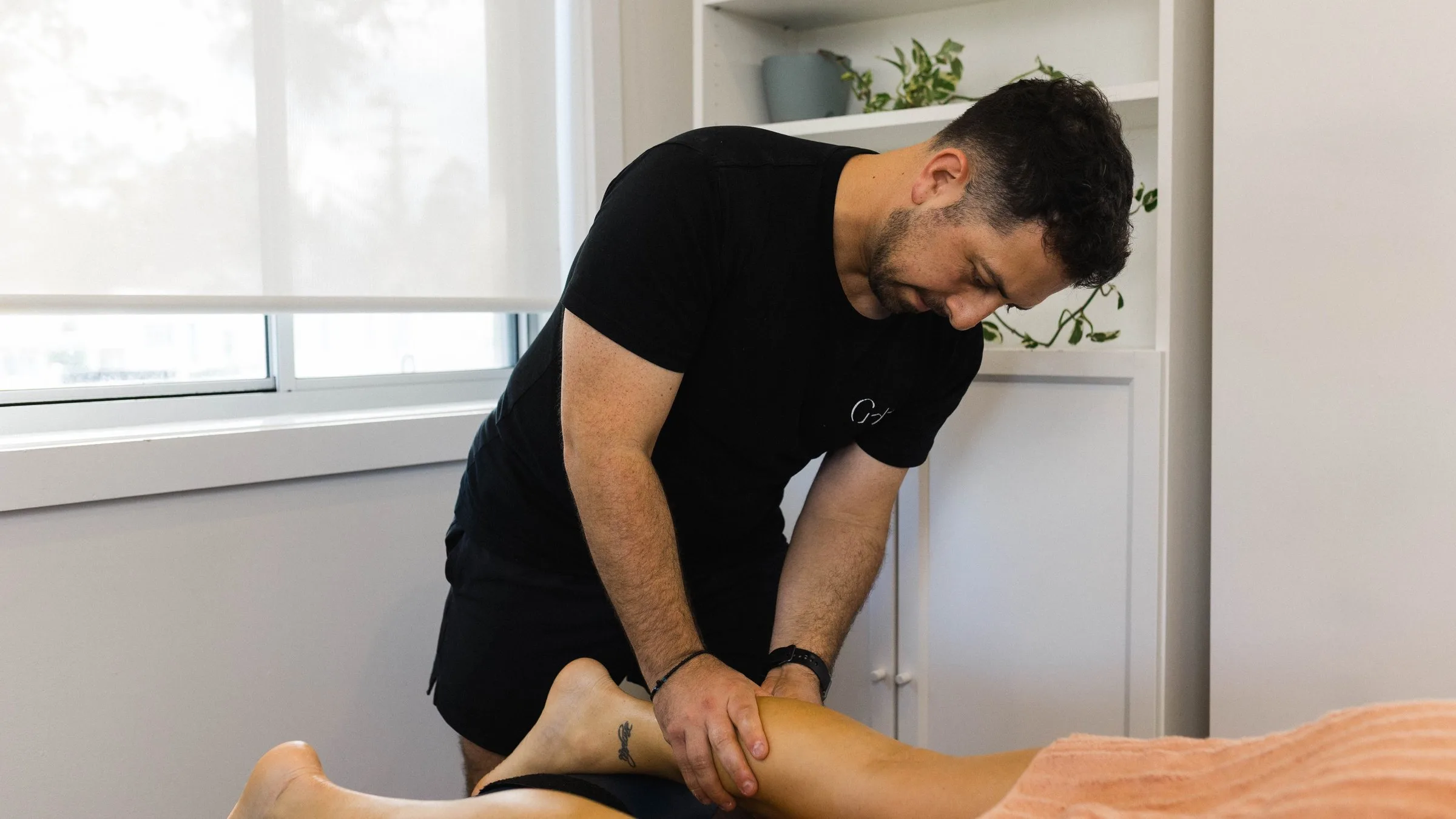
Recovering From a Hamstring Tear: Rehab Timeline & Tips
“How long will this actually take to heal?” That’s usually the first thing people type into Google after they feel that sharp pull at the back of the thigh, whether it happened mid-sprint, during a gym session, or just reaching for something awkwardly. It’s a fair question, and the honest answer is: it depends on how bad the tear is.
But there is a general timeline, and knowing it can take a lot of the guesswork and worry out of recovery.
TLDR: Hamstring tears are graded from mild (grade 1) to severe (grade 3), and recovery can range from two weeks to several months depending on severity. Early rest and gentle movement matter, but so does a structured strengthening phase before you return to sport. Rushing back too soon is the biggest reason hamstring injuries come back worse the second time.
Understanding What’s Actually Torn
The hamstrings are a group of three muscles running down the back of your thigh. When people say “hamstring tear,” they usually mean one of these muscles or the tendon attaching it to the bone has been overstretched or partially ripped.
The Three Grades of Hamstring Injury
- Grade 1: a mild strain with some fibre stretching, usually sore but still walkable
- Grade 2: a partial tear with noticeable pain, swelling, and some loss of strength
- Grade 3: a complete tear, often with severe pain, bruising, and difficulty bearing weight
Common Causes
- Sprinting or sudden acceleration, especially without a proper warm up
- Overstretching during activities like dancing, kicking sports, or yoga
- Muscle fatigue late in a game or long training session
- Previous hamstring injury that wasn’t fully rehabilitated
If you’ve torn a hamstring before, you’re statistically more likely to do it again. That’s one of the main reasons a proper rehab plan matters more than just “resting until it feels okay.”
Hamstring Tear Rehab Timeline: What to Expect Week by Week
Every injury is different, but most grade 1 and grade 2 tears follow a broad pattern. Grade 3 tears, or ones involving tendon avulsion, often need imaging and sometimes surgical input, so the timeline below is more relevant to muscle belly strains rather than full ruptures.
Days 1 to 3: Protect and Calm It Down
This early stage is about reducing swelling and protecting the muscle from further damage. Gentle movement is fine, but you’re not pushing into pain.
- Rest from aggravating activity, but avoid complete immobility
- Ice for short periods to help with pain and swelling
- Gentle compression if it feels comfortable
- Elevate the leg when sitting or lying down
Week 1 to 2: Restoring Gentle Movement
Once the sharpest pain settles, the focus shifts to getting some pain free movement back. This might include light walking, gentle stretching within a comfortable range, and simple isometric exercises where the muscle works without changing length.
This is often where people either recover well or set themselves back. Pushing too hard here, especially with aggressive stretching, tends to slow things down rather than speed them up.
Week 2 to 6: Building Strength Back Up
This is the strengthening phase, and it’s arguably the most important part of the whole process. Exercises usually progress from slow, controlled movements to more dynamic ones as strength and confidence return.
- Bodyweight bridges progressing to single leg bridges
- Slow eccentric hamstring exercises, which are known to reduce re-injury risk
- Balance and control work for the hip and pelvis
- Gradual reintroduction of walking pace, then light jogging
Week 6 Onward: Return to Sport or Full Activity
Getting back to sprinting, kicking, or high load activity is usually the last box to tick. This stage often includes sport specific drills, change of direction work, and a gradual build in running intensity rather than jumping straight back into full training.
A good rule of thumb is that if you can’t perform explosive movements without hesitation or discomfort, you’re not quite ready yet, no matter what the calendar says.
Getting the Right Support Along the Way
A lot of people try to manage hamstring tears on their own, using general advice from the internet. That works reasonably well for mild strains, but moderate to severe tears usually benefit from professional guidance to avoid setbacks.
When It’s Worth Seeing Someone
- You heard or felt a pop at the time of injury
- You can’t put weight on the leg comfortably
- Bruising or swelling is significant
- Pain hasn’t eased after a week of rest
- It’s happened before in the same leg
What Hands-On Care and Guided Exercise Can Add
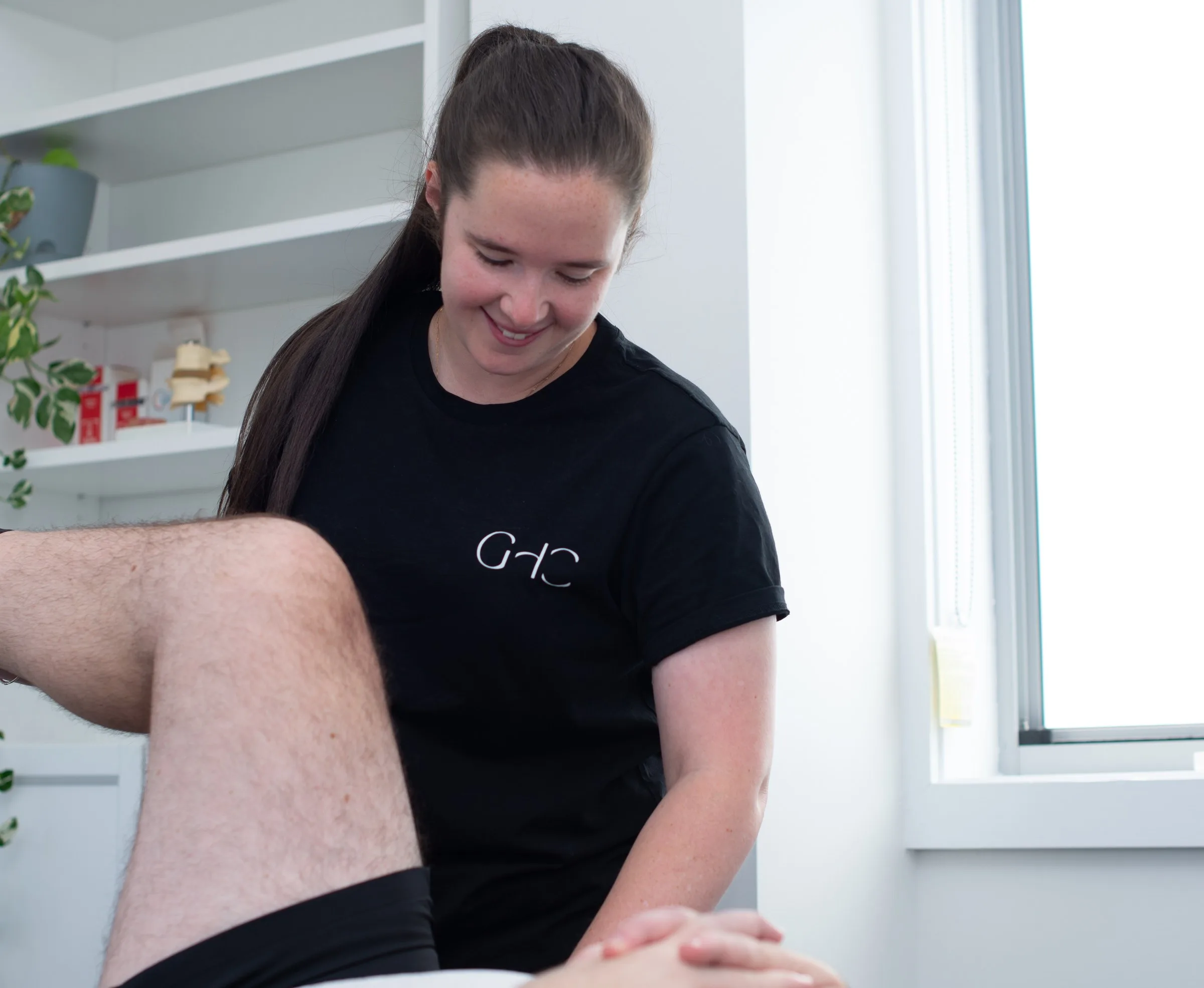
Physiotherapy style assessment can help work out exactly which muscle is involved and how severe the tear is, which then shapes a more accurate recovery plan. Guided strengthening programs also make sure you’re progressing at the right pace, not too fast and not too slow.
At Gladesville Healthcare, hamstring injuries are assessed individually rather than given a generic timeline, since a desk worker recovering for general fitness has very different goals to someone wanting to get back to weekend football.
Avoiding a Repeat Injury
Hamstring tears have one of the highest re-injury rates of any soft tissue injury, particularly in the first few months after returning to sport. Most of that risk comes down to returning too early or skipping the strengthening phase.
Habits That Help Long Term
- Keep doing eccentric hamstring exercises even after you feel “back to normal”
- Warm up properly before running or training, especially in cooler weather
- Address any ongoing tightness in the lower back or hips, since these can affect hamstring load
- Don’t skip the final strength and speed stages just because pain has gone
Pain-free doesn’t always mean fully recovered. Strength and control often take longer to return than pain does, which is exactly why so many hamstring tears happen again within the same season.
Get Your Hamstring Recovery on the Right Track
If you’re dealing with a hamstring tear and aren’t sure whether you’re recovering as expected, getting it properly assessed can save a lot of trial and error. Our physiotherapists at Gladesville Healthcare can develop a recovery plan suited to your injury and goals, whether that means returning to sport or simply moving comfortably again.
Key Takeaways
- Hamstring tears are graded 1 to 3, and recovery time depends heavily on severity
- Mild strains may settle in one to two weeks, while moderate to severe tears can take six weeks or more
- Early gentle movement is better than complete rest, but pushing through pain early on can backfire
- Eccentric strengthening exercises are a key part of reducing re-injury risk
- Returning to sport too early is the single biggest cause of repeat hamstring injuries
- Professional assessment helps confirm the grade of injury and build an accurate recovery plan
Frequently Asked Questions
Can I still walk normally with a torn hamstring?
With a mild strain, walking is usually still possible, though it might feel tight or uncomfortable. With a more significant tear, walking can become noticeably harder and may cause a limp.
How do I know if my hamstring tear needs a scan?
If there’s significant swelling, bruising, difficulty bearing weight, or you heard a pop at the time of injury, imaging is often recommended to check the extent of the damage. Milder strains usually don’t need a scan unless recovery stalls.
Is stretching helpful or harmful in the early stages?
Gentle, pain-free movement is generally fine early on, but aggressive stretching too soon can aggravate the injury. It’s better to build range of motion gradually as the muscle heals rather than forcing it.
Will a hamstring tear heal on its own without treatment?
Mild strains often improve with rest and basic self-care. Moderate to severe tears tend to heal better, and with lower re-injury risk, when guided through a structured strengthening program.
How will I know when I’m ready to run or play sport again?
Being pain-free at rest isn’t enough on its own. You’ll want to be able to do explosive movements like sprinting or sudden direction changes without hesitation, discomfort, or a feeling of weakness first.