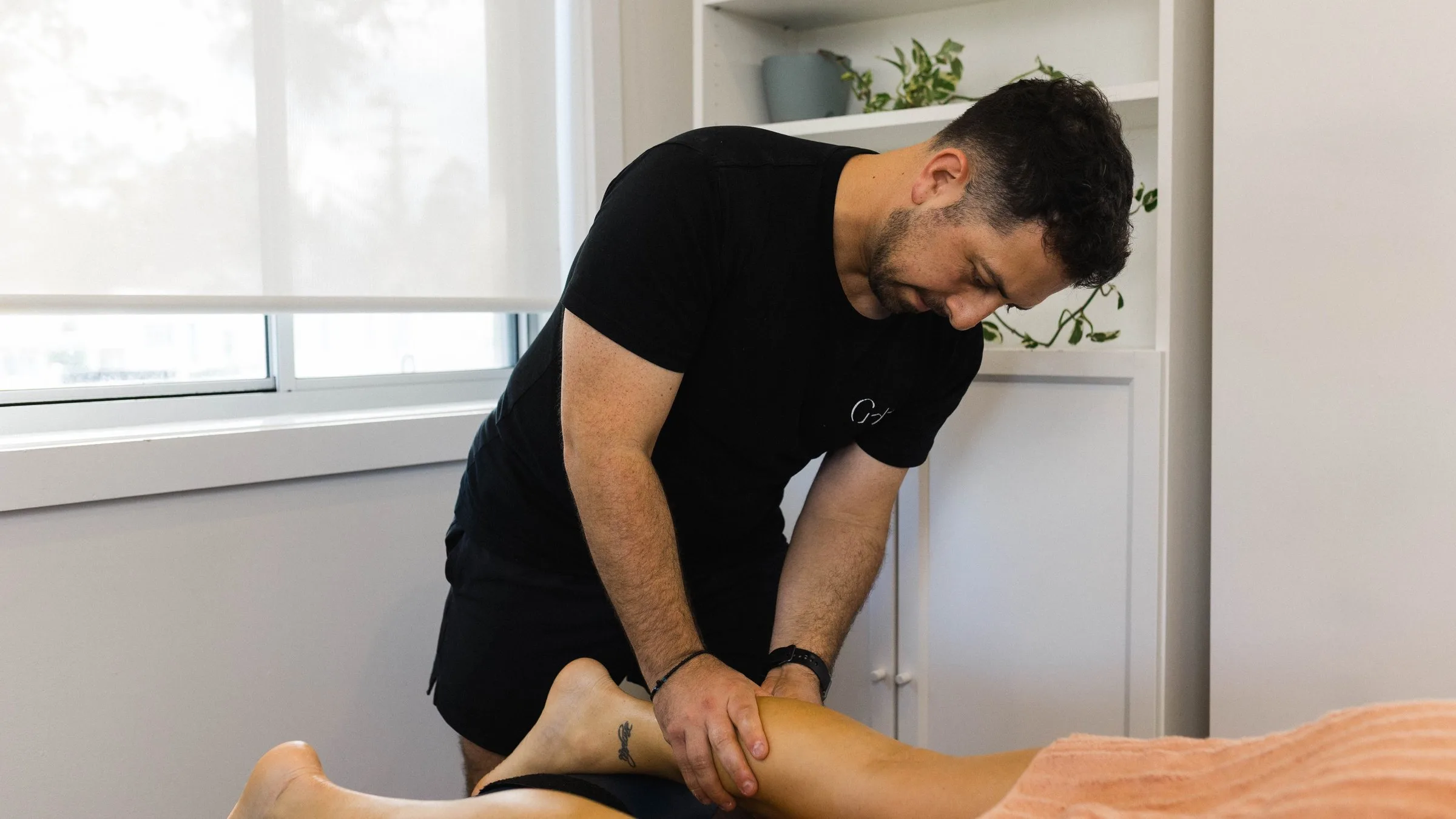
Treating Scoliosis With Chiropractic Adjustments

If you’ve just been told you or your child has scoliosis, you’re probably wondering what actually happens next. Here’s a practical way to think about it: start with getting the curve properly assessed, then look at what conservative options exist before anything more invasive is considered, and build a plan around regular monitoring.
Chiropractic care often sits inside that plan, working alongside posture correction, targeted exercise, and sometimes bracing.
TLDR: Chiropractic adjustments won’t reverse scoliosis, but they can help manage pain, improve posture, and support spinal mobility as part of a broader treatment approach. The right first step is a proper assessment to understand the curve type and severity before deciding on care.
What Scoliosis Actually Involves
Scoliosis is a sideways curvature of the spine, often shaped like an “S” or a “C” when viewed on an X-ray. It can show up in childhood, during growth spurts in adolescence, or later in life due to degeneration of the spine.
Not every curve needs the same level of intervention. A mild curve might just need watching, while a more significant one may need a combination of therapies.
Common Types Of Scoliosis
- Idiopathic scoliosis, the most common form, with no clear single cause
- Congenital scoliosis, present from birth due to spinal bone formation issues
- Neuromuscular scoliosis, linked to conditions affecting muscle control
- Degenerative scoliosis, developing in adults from wear and tear on spinal discs and joints
Signs Worth Getting Checked
- Uneven shoulders or one shoulder blade sticking out more than the other
- A visible curve or lean in the spine when bending forward
- Uneven waistline or hips
- Ongoing back pain or stiffness, particularly in adults
How Chiropractic Care Fits Into A Scoliosis Plan
Chiropractic care isn’t a cure for scoliosis. What it can do is help manage some of the symptoms that come with it, like muscle tension, joint restriction, and pain caused by the spine compensating for its curve.
A chiropractor will typically start with a thorough spinal assessment, sometimes alongside imaging, to understand the type and degree of curvature before recommending anything.
What Adjustments Aim To Do
- Improve joint mobility in areas that have become stiff from the curve
- Reduce muscle tension that builds up on one side of the spine
- Support better posture and spinal alignment day to day
- Help take pressure off nerves that may be irritated by the curvature
What It Won’t Do
- Straighten a structural curve back to a “normal” spine shape
- Replace the need for monitoring by a GP or specialist
- Prevent progression in every case, especially with significant curves
A Step By Step Look At What Treatment Usually Involves
Every case is different, but most chiropractic approaches to scoliosis follow a similar general sequence. Knowing what to expect can make the whole process feel less daunting.
- Initial consultation and postural assessment, including a discussion of symptoms and history
- Imaging or referral for imaging if the curve hasn’t already been measured
- Development of a tailored care plan based on curve severity and the patient’s age
- Regular adjustments combined with mobility and stability exercises
- Periodic reassessment to track whether the curve is stable, improving in symptoms, or progressing
This isn’t a quick fix measured in a couple of visits. Scoliosis management is usually an ongoing relationship, particularly for growing children where curves can change quickly.
Working Alongside Other Providers
Chiropractic care rarely works in isolation for scoliosis. It’s common for a chiropractor to coordinate with a GP, physiotherapist, or specialist, especially if bracing or surgical review is being considered for a larger curve.
What Adjustments Feel Like
Adjustments for scoliosis patients are generally gentle and specific, often adapted to account for the curve itself rather than using a one-size-fits-all technique. Many patients describe a sense of relief in areas that have felt tight or restricted for a long time.
Chiropractic Care For Different Age Groups
Scoliosis looks different depending on when it develops, so the approach to care shifts too.
Adolescent Scoliosis
This is the age group where curves can progress fastest, particularly during growth spurts. Regular check-ins matter here, since a curve that looks stable one term might change by the next.
Adult Onset Or Degenerative Scoliosis
In adults, scoliosis is often tied to disc and joint degeneration rather than growth. Pain management and mobility tend to be the main focus, rather than trying to change the shape of the curve.
When Bracing Or Referral Is Needed
For larger or fast-progressing curves, a brace or specialist opinion may be recommended alongside chiropractic care, not instead of it. A good chiropractor will be upfront if your case falls into this category.
Getting A Clear Picture Of Your Spine
If you’re dealing with scoliosis, whether it’s your own or your child’s, the most useful next step is a proper assessment rather than guesswork. Gladesville Healthcare can help you understand what’s going on with your spine and talk through where chiropractic care might fit into your broader treatment approach.
It’s a conversation worth having sooner rather than later, especially if you’ve noticed changes in posture or ongoing discomfort. Book your consultation today!
Key Takeaways
- Scoliosis is a spinal curvature that ranges from mild to significant, and treatment depends heavily on the degree of the curve
- Chiropractic adjustments can help with pain, posture, and mobility, but they don’t reverse a structural curve
- Treatment usually starts with assessment and imaging before any hands-on care begins
- Children and teens need more frequent monitoring due to how quickly curves can change during growth
- Chiropractic care often works best alongside GPs, physiotherapists, or specialists rather than as a standalone solution
FAQ Can chiropractic adjustments stop scoliosis from getting worse?
They may help slow symptom-related issues like muscle tightness and pain, but there’s no guarantee adjustments alone will stop a curve from progressing. Regular monitoring is the only reliable way to know if a curve is stable or changing. How often would someone with scoliosis need to see a chiropractor?
This varies a lot depending on age, curve size, and symptoms. Some people are seen weekly during an active management phase, while others move to monthly check-ins once things settle. Is it safe for a child with scoliosis to get chiropractic adjustments?
Chiropractic techniques are generally adapted to be gentler for children, and many practitioners have experience working with growing spines. It’s still worth discussing your child’s specific curve with the chiropractor beforehand so the approach is appropriate. Will I need X-rays before starting treatment?
In most cases, yes, since imaging helps confirm the type and degree of curvature before any care plan is built. If you’ve already had recent imaging done elsewhere, that can often be used instead of repeating it. What happens if scoliosis is left untreated?
Mild curves often stay mild and cause few issues, but larger untreated curves can sometimes progress and lead to increased pain or reduced mobility over time. That’s why ongoing assessment matters, even if the plan is simply to watch and wait.