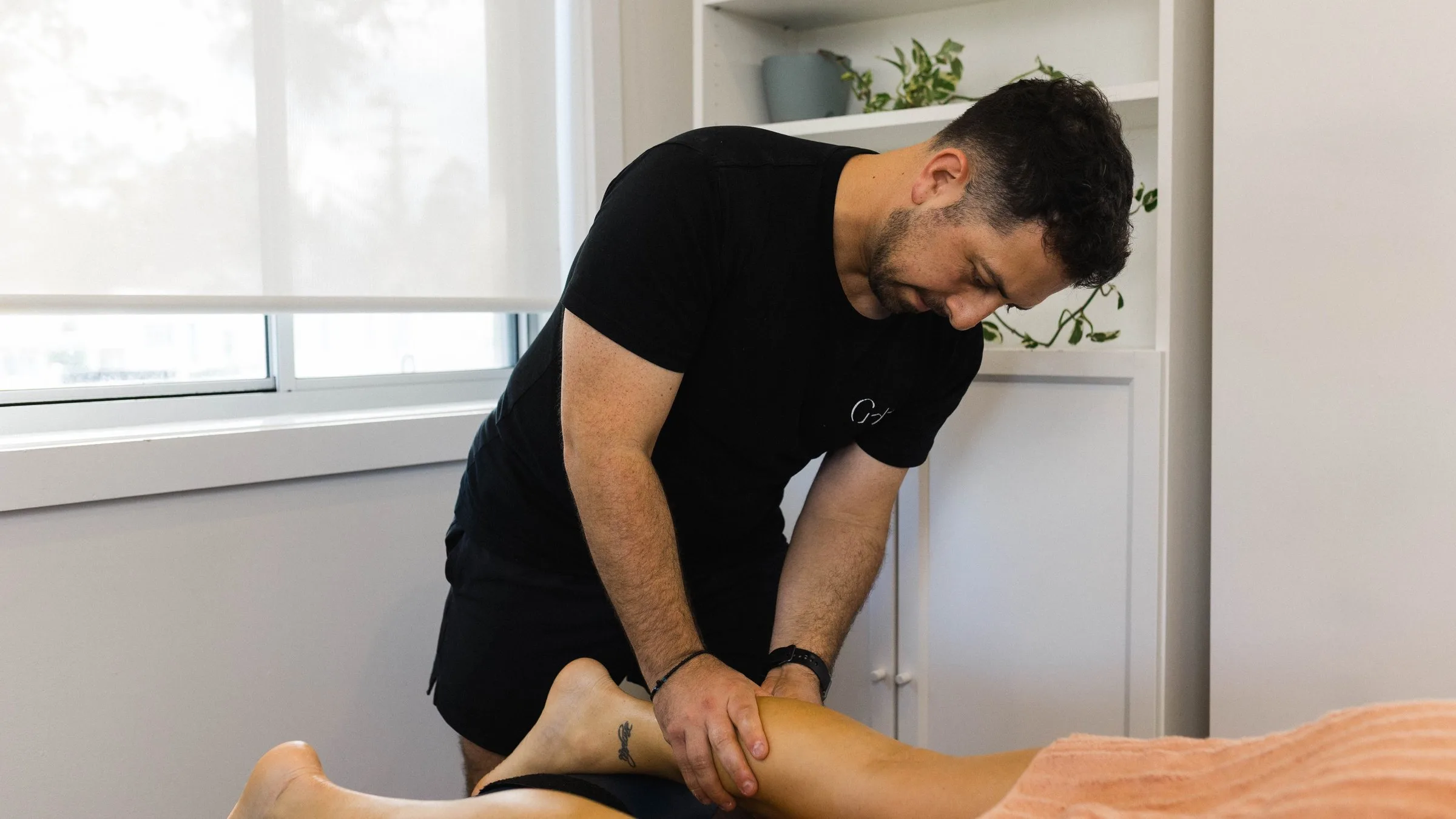
Hip Surgery Recovery: An Exercise Physiology Success Story
An interview with Luca Vasiliou, Exercise Physiologist at Gladesville Healthcare
Q: Luca, can you start by telling us what an Exercise Physiologist does?
Absolutely. I’m an Exercise Physiologist, or EP, which means I use exercise as a form of medicine. I support people with chronic health conditions like osteoarthritis, osteoporosis, Parkinson’s, and post-stroke recovery. I also work with people who just want to improve their balance, strength, posture, or daily function. Everything I do is tailored to the individual’s needs.
View this post on InstagramA post shared by Gladesville Healthcare (@gladesvillehealthcare)
Q: You recently shared a great client success story. Can you walk us through that?
Yes, one of my earliest clients at Gladesville Healthcare came to me about a year after his hip replacement surgery. He was still using a walking stick, had poor posture, and was shuffling when he walked. He lacked confidence in his mobility and was struggling with daily tasks like getting out of a chair.
Q: What was your approach to treatment for his hip surgery recovery?
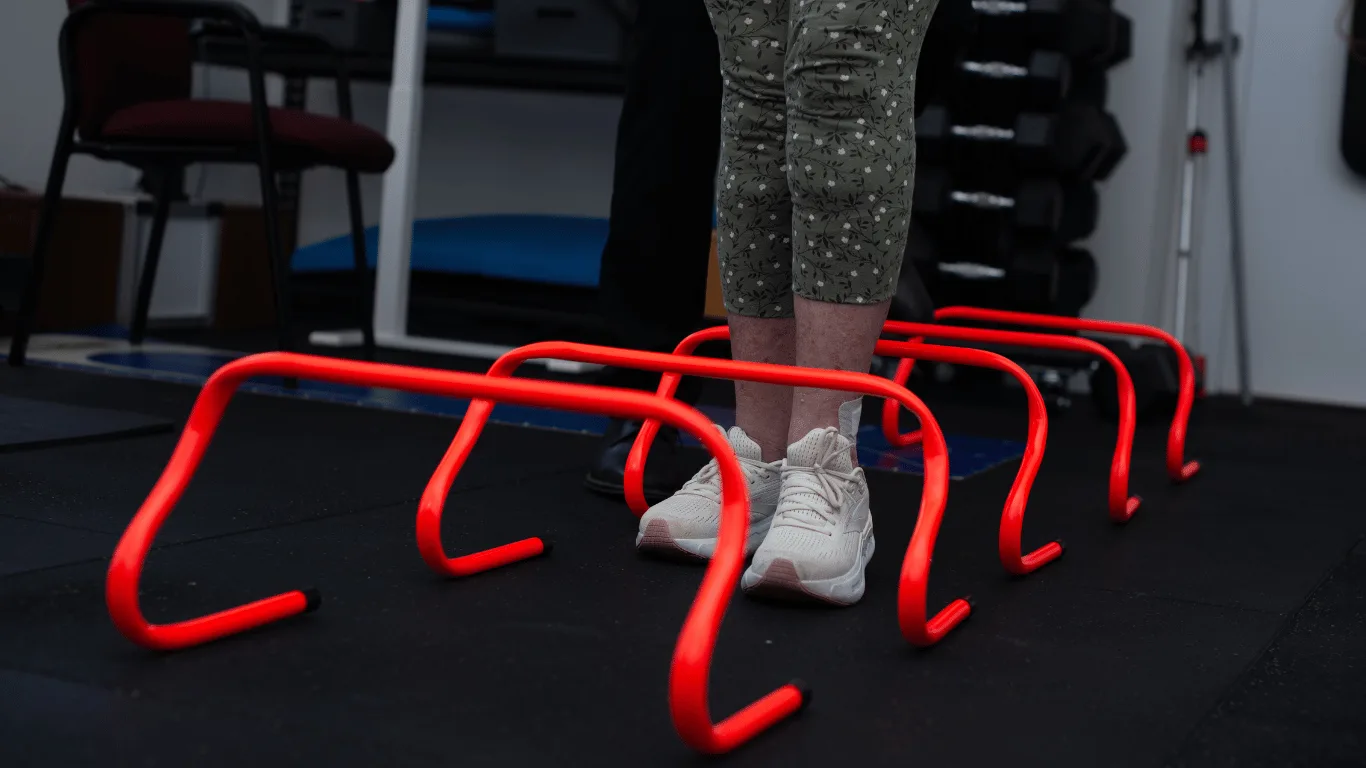
We started with exercises to improve lower limb strength and mobility – things like sit-to-stand movements, squats, balance drills, and hurdle steps. I designed a program to target his hip and knee mobility, while gradually improving his overall posture and gait.
Q: And how did he progress?
Over the first three months, he made really impressive gains. He became more confident in his movement and was eventually able to ditch the walking stick altogether. He still comes in for ongoing hip surgery recovery sessions to continue building strength and balance, but the transformation and how he moves and feels has been amazing.
Q: That must have had a big impact on his quality of life?
Definitely. When he first came in, he was hunched over, hesitant, and not very optimistic. Once he started moving better, everything changed. He could stand up from a chair confidently. His overall mood lifted. Even his wife noticed the difference and was so happy for him.
Q: When should someone start working with an EP after surgery?
Typically, patients will see a physio immediately after surgery for acute rehab, especially in the hospital setting. Once they’re a few weeks or a month out and need help regaining strength and function long-term, that’s where I come in. But honestly, I’ve worked with people years after surgery who never had proper rehab, and they’ve still seen great results. It’s never too late to start.
Q: What’s the key to recovery in these cases?
Consistency. Following a structured, personalised program and sticking with it. Everyone’s recovery timeline is different, but keeping mobile and doing the right exercises makes a huge difference. I always say: movement is medicine.
Q: You’re also running classes now at GHC. Can you tell us more?
Yes! We’ve just launched three small group classes in the clinic gym:
- Active Ageing (75+): Functional exercises to help with daily living, strength, and balance
- Balance & Stability (50+): Designed for anyone with poor posture, falls risk, or balance issues
- Diabetes Program: A mix of aerobic exercise, strength training, and educational sessions on managing blood glucose and nutrition
Each class runs for an hour and is capped at four people so we can provide personalised attention and a supportive environment.
Q: Where can people go to find out more?
They can book online, give us a call, or pop into the clinic. Whether it’s one-on-one sessions or joining a class, we’re here to help people move better and feel stronger, no matter where they’re starting from.