Post-Surgery Rehab: What to Expect From Physio

Recovering from surgery is often about more than simply allowing time for healing. Whether you have undergone joint replacement surgery, ligament repair, spinal surgery, or another orthopaedic procedure, rehabilitation plays an important role in helping you regain strength, mobility, confidence, and everyday function.
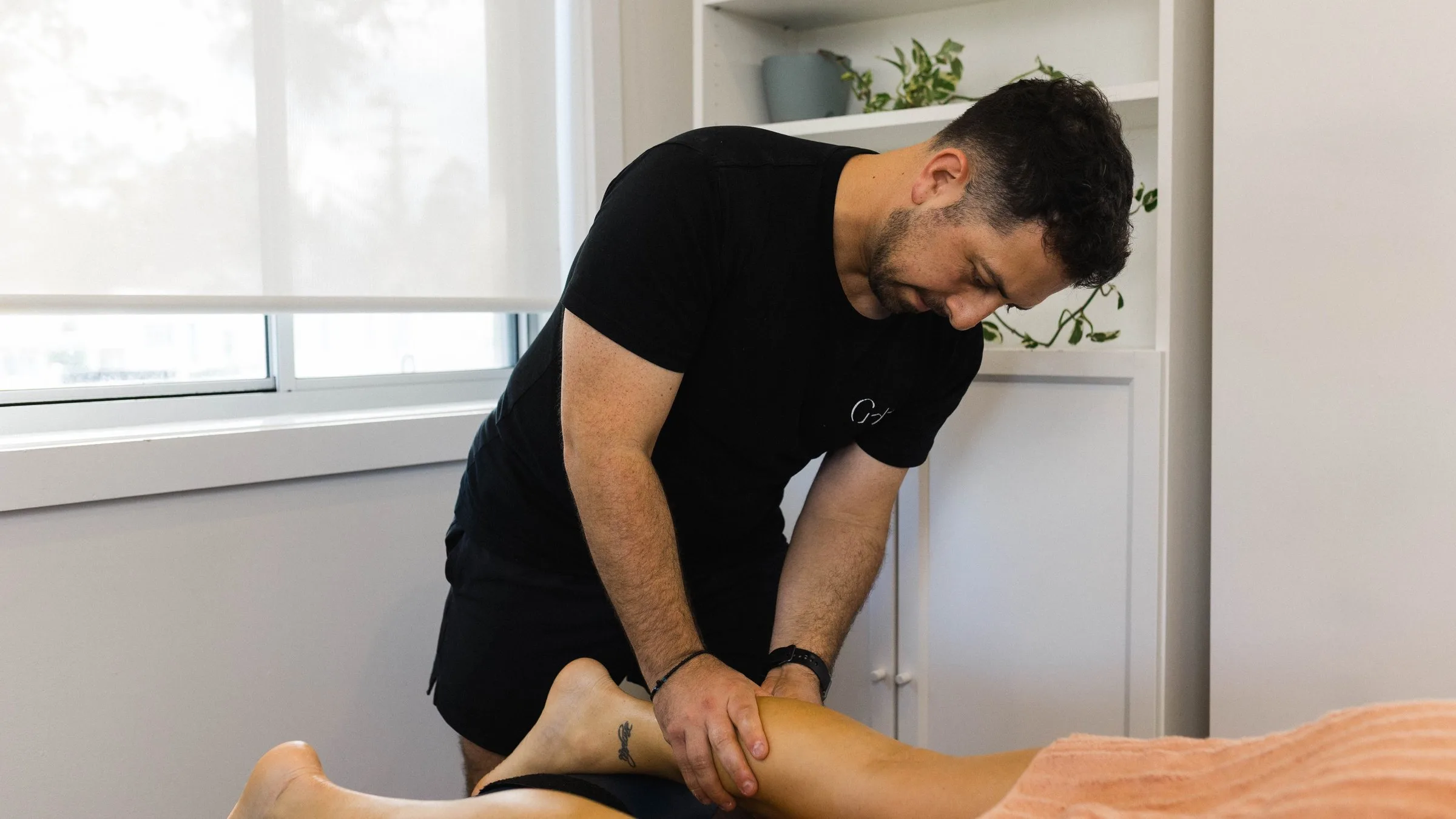
Physiotherapy after surgery is designed to support recovery safely and progressively. Through guided exercises, hands-on treatment, and personalised rehabilitation plans, physiotherapists help patients improve movement, manage pain, and return to daily activities as effectively as possible.
Summary: Post-surgery physiotherapy helps support recovery by improving mobility, rebuilding strength, reducing pain, and restoring physical function after an operation. Rehabilitation programs are tailored to the type of surgery, the individual’s goals, and their stage of healing. Treatment may involve guided exercises, manual therapy, mobility training, and education designed to support safe and gradual progress. While recovery timelines vary, physiotherapy helps patients regain confidence in movement and return to daily activities with improved comfort and function.
Why Physiotherapy Matters After Surgery
After surgery, the body often experiences weakness, stiffness, swelling, pain, and reduced movement. Without proper rehabilitation, these issues can slow recovery and affect long-term function.
Physiotherapy helps guide the healing process by:
- Improving mobility and flexibility
- Rebuilding strength gradually
- Supporting balance and coordination
- Reducing stiffness and swelling
- Encouraging safe movement patterns
- Helping patients return to daily activities
Rehabilitation is not only about recovery from the surgery itself, it is also about restoring confidence and improving overall quality of life.
What Happens During Post-Surgery Physiotherapy?
Post-operative physiotherapy is personalised to each patient’s condition, surgery type, and stage of healing.
Early sessions often focus on:
- Pain management
- Gentle movement exercises
- Improving circulation
- Reducing swelling
- Protecting the surgical area
As recovery progresses, treatment gradually shifts toward improving strength, flexibility, endurance, and function.
Depending on the surgery and rehabilitation goals, sessions may include:
- Guided exercise programs
- Stretching and mobility work
- Balance and stability training
- Manual therapy techniques
- Walking or movement retraining
- Advice on posture and daily activities
Physiotherapists also monitor recovery carefully to ensure exercises are appropriate and safe for each stage of healing.
Common Surgeries That Benefit From Physiotherapy
Many surgical procedures involve physiotherapy as part of the recovery process.
This commonly includes:
- Knee replacement surgery
- Hip replacement surgery
- ACL reconstruction
- Shoulder surgery
- Spinal surgery
- Fracture repair
- Tendon or ligament repair
Each rehabilitation plan is tailored specifically to the surgery performed and the patient’s personal goals.
Managing Pain and Swelling During Recovery
Pain and swelling are common after surgery, particularly in the early stages of recovery.
Physiotherapists may help manage these symptoms through:
- Gentle movement and mobility exercises
- Soft tissue techniques
- Circulation-focused exercises
- Advice on pacing and activity levels
- Education around recovery expectations
While some discomfort can be expected during rehabilitation, treatment is designed to support recovery safely without overloading healing tissues.
How Long Does Post-Surgery Rehab Take?
Recovery timelines vary significantly depending on:
- The type of surgery
- Overall health and fitness
- Age and activity levels
- Healing response
- Consistency with rehabilitation exercises
Some people may recover within weeks, while others may require several months of rehabilitation.
Physiotherapy focuses on gradual, sustainable improvement rather than rushing recovery. Consistency and patience are often key to achieving the best long-term outcomes.
The Importance of Following Your Rehab Plan
Following the rehabilitation program provided by your physiotherapist can play a major role in recovery success.
This may include:
- Attending regular appointments
- Completing home exercises consistently
- Avoiding movements that may slow healing
- Progressing activity gradually
- Communicating openly about pain or concerns
Rehabilitation works best when patients actively participate in the process and work collaboratively with their healthcare team.
Building Confidence in Movement Again
After surgery, many people feel hesitant or nervous about moving the affected area. Fear of pain, reinjury, or instability can impact confidence and slow progress.
Physiotherapists help patients rebuild confidence by:
- Providing safe, guided movement
- Gradually increasing activity levels
- Educating patients about recovery stages
- Supporting functional goals such as walking, lifting, or returning to exercise
This support can make the recovery process feel less overwhelming and more manageable.
A Personalised Approach to Recovery
No two recoveries are exactly the same. Effective post-surgery rehabilitation should be tailored to the individual rather than following a one-size-fits-all approach.
At Gladesville Healthcare, physiotherapists work closely with patients to create personalised rehabilitation plans focused on improving strength, movement, comfort, and long-term function.
Book an appointment today to start your recovery journey with expert physiotherapy care tailored to your needs.
Key Takeaways
- Physiotherapy plays an important role in recovery after surgery.
- Post-surgery rehab helps improve mobility, strength, flexibility, and function.
- Rehabilitation programs are tailored to the individual and type of surgery performed.
- Early physiotherapy often focuses on reducing pain, swelling, and stiffness safely.
- Consistent rehabilitation and home exercises support better long-term recovery outcomes.
- Physiotherapy can help patients regain confidence and return to everyday activities more comfortably.
FAQ
When should I start physiotherapy after surgery?
This depends on the type of surgery and your surgeon’s recommendations. In many cases, physiotherapy begins shortly after the procedure. Will physiotherapy after surgery be painful?
Some discomfort can be expected during recovery, but physiotherapy is designed to support healing safely and progressively without causing unnecessary strain. How long will post-surgery rehabilitation take?
Recovery timelines vary depending on the surgery, healing process, and individual goals. Some people recover within weeks, while others require several months of rehabilitation. Do I need to do exercises at home?
Yes. Home exercises are often an important part of rehabilitation and help support progress between appointments. Can physiotherapy help reduce stiffness after surgery?
Yes. Physiotherapy commonly includes mobility and stretching exercises designed to improve movement and reduce stiffness. What surgeries commonly require physiotherapy?
Procedures such as joint replacements, ACL reconstruction, spinal surgery, fracture repair, and shoulder surgery often benefit from physiotherapy rehabilitation.