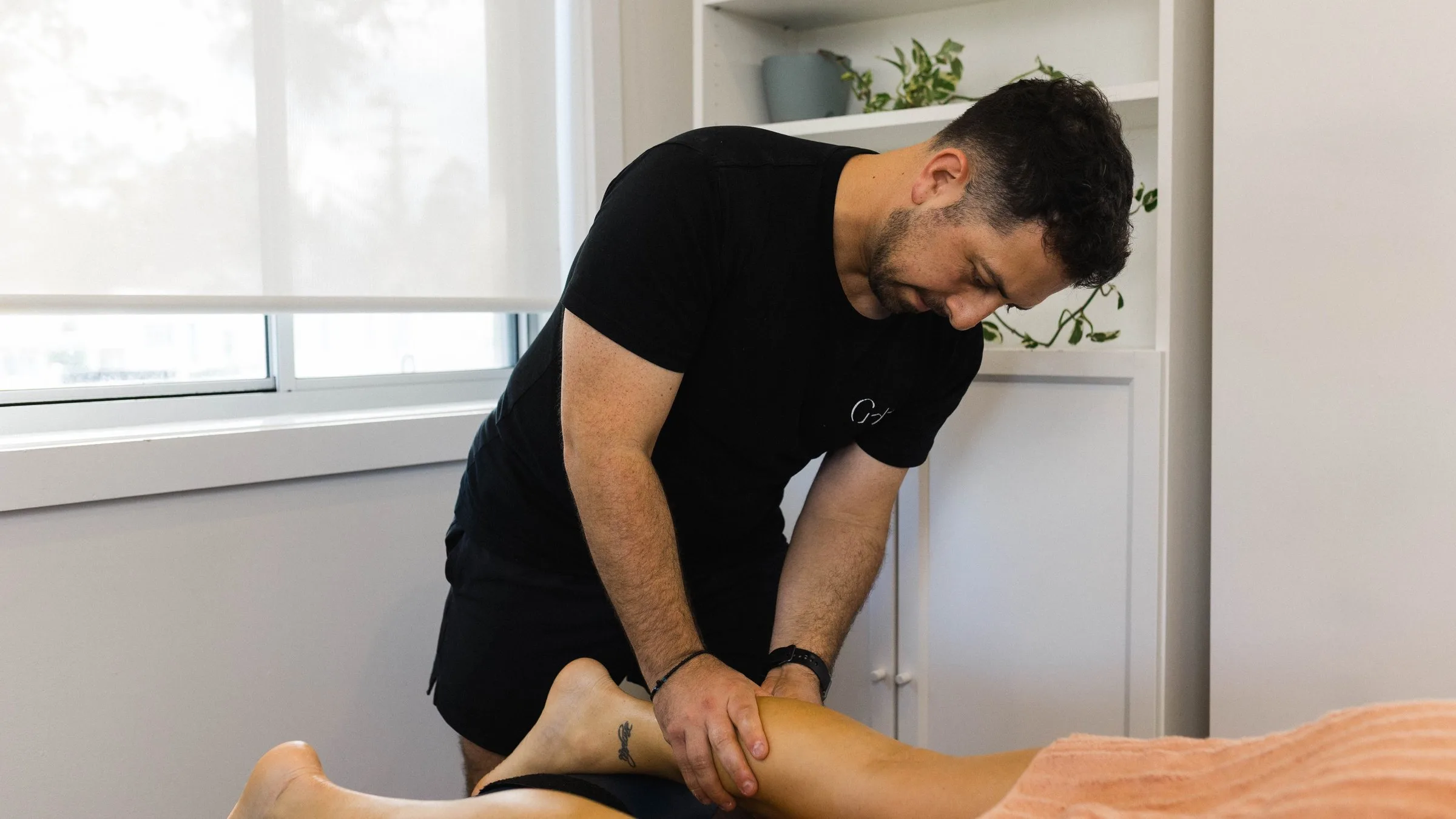
Chiropractic Care for Back Pain: What Works & Why

Back pain is one of the most common reasons people seek healthcare. It can start suddenly after lifting something heavy, or build slowly from long hours at a desk. For many, the discomfort interferes with work, sleep, and exercise.
Chiropractic care is often recommended as a non-invasive option for managing back pain. But what actually works, and why?
Summary: Chiropractic care for back pain focuses on improving joint mobility, reducing muscle tension, and restoring normal movement patterns. Techniques such as spinal adjustments, soft tissue therapy, and guided exercises can reduce pain and improve function. When combined with personalised advice and strengthening, chiropractic treatment can support both short-term relief and long-term recovery.
How chiropractic care helps back pain
Chiropractic treatment centres on the spine and surrounding structures, including muscles, joints, and nerves. When these structures are not moving well, pain and stiffness can develop.
The goal is to:
- Restore joint mobility
- Reduce muscle tightness
- Improve posture and alignment
- Support the body’s natural healing processes
By addressing mechanical restrictions, chiropractic care aims to reduce stress on irritated tissues.
Spinal adjustments: what they do
Spinal adjustments, sometimes called manipulations, are controlled, precise movements applied to specific joints.
They are designed to:
- Improve joint movement
- Decrease stiffness
- Reduce pain sensitivity
- Restore normal motion
Many patients report feeling immediate relief or improved mobility following an adjustment. While the sound sometimes heard during treatment can be surprising, it is simply gas releasing from the joint, not bones cracking.
Soft tissue therapy and muscle work
Back pain rarely involves joints alone. Tight or overworked muscles often contribute to discomfort.
Chiropractors may use:
- Trigger point therapy
- Massage techniques
- Stretching
- Myofascial release
This helps reduce tension, improve circulation, and prepare the body for corrective exercises.
The importance of movement and strengthening
Hands-on treatment can provide relief, but long-term improvement usually requires strengthening and mobility work.
Your chiropractor may prescribe:
- Core stability exercises
- Hip strengthening drills
- Postural correction exercises
- Gradual return-to-activity plans
This combination reduces the risk of recurrence and improves resilience.
When chiropractic care works best
Chiropractic care is often effective for:
- Acute lower back pain
- Mechanical back pain
- Postural strain
- Mild disc-related pain
- Stiffness from prolonged sitting
Early intervention can prevent short-term pain from becoming chronic.
When further assessment may be needed
While most back pain is mechanical, seek urgent medical attention if you experience:
- Loss of bladder or bowel control
- Significant leg weakness
- Numbness in the groin area
- Severe pain following trauma
In these cases, additional medical evaluation is required.
Why personalised care matters
No two cases of back pain are identical. The cause may relate to work habits, sport, stress, previous injury, or general deconditioning.
A thorough assessment allows your chiropractor to:
- Identify the source of pain
- Explain what is happening
- Create a tailored treatment plan
- Track progress over time
Clear communication and measurable goals are essential for lasting results.
Key takeaways
- Chiropractic care for back pain focuses on restoring movement and reducing tension
- Spinal adjustments can improve joint mobility and decrease stiffness
- Soft tissue therapy supports muscle recovery
- Strengthening and exercise are critical for long-term results
- Early treatment improves outcomes and reduces recurrence
Meet Michael Wontor – Gladesville Physiotherapist
Michael works with people of all ages, from weekend joggers to retirees, helping them manage pain, restore movement, and rebuild strength. His approach combines hands-on physiotherapy techniques with personalised exercise programs, giving clients both short-term relief and long-term results. Read more about Michael.
A Success Story: From Back Pain to Back on the Golf Course
One of Michael’s recent patients was a 65-year-old golfer living with constant lower back pain.
- The pain was nagging throughout the day.
- Everyday tasks around the house felt restricted.
- Most importantly, it stopped him from enjoying golf – his passion!
Session 1: Michael began with hands-on therapy: soft tissue work and gentle joint mobilisation. This helped free up the back, ease pain, and restore mobility.
Session 2: The patient returned already feeling a noticeable improvement. Daily activities were easier, and pain levels had dropped. But the goal wasn’t just less pain. It was getting back on the golf course.
The Turning Point: Michael transitioned treatment into the clinic gym, designing a strengthening program tailored to golf movements. The focus was on building stability, hip mobility, and strength to support his back during swings. The Result: Within just a few weeks, the patient was back playing golf, confident, pain-free, and doing what he loved most.
View this post on InstagramA post shared by Gladesville Healthcare (@gladesvillehealthcare)
Why Physio for Back Pain Works
Physio treatment for back pain is more than just short-term relief. With the right approach, you can:
- Reduce pain and stiffness
- Improve mobility and posture
- Build long-term strength and resilience
- Get back to sport, work, and everyday life
Whether you’re recovering from an injury, living with chronic pain, or simply want to stay active as you age, physiotherapy can help you move better and feel stronger.
Book Your Physio For Back Appointment Today
At Gladesville Healthcare, Michael provides personalised physiotherapy for back pain that’s tailored to your goals. Whether you want to get back to sport, keep up with family life, or simply move more freely, we’ll create a plan that works for you.
Book your physiotherapy session online today.